PCSing to NAS Patuxent River or selling your California, MD home to a VA buyer? You will likely hear about the VA appraisal and something called “Tidewater.” Both can feel mysterious when you are trying to hit a hard move-out date or keep a contract on track. This guide breaks down how VA appraisals work, when Tidewater is triggered, the most common repair requests in Southern Maryland, and how you can prepare. Let’s dive in.
VA appraisal basics
A VA appraisal confirms two big things. First, the home meets the VA’s Minimum Property Requirements for safety, soundness, and sanitary condition. Second, the value supports the loan amount. The appraiser issues a Notice of Value that shows the appraised value and lists required repairs if any are needed.
A VA appraisal is not a home inspection. The appraiser focuses on market value and habitability items, not cosmetic issues. You should still hire a licensed home inspector to get a full picture of the property.
Who orders and reviews it
Your lender orders the VA appraisal through the VA system and works with a VA-authorized appraiser. The lender shares the Notice of Value with you and the seller and helps you interpret required next steps.
Key terms to know
- NOV: Notice of Value. Shows appraised value and repair items.
- MPRs: Minimum Property Requirements for safety, soundness, and sanitary condition.
- ROV: Reconsideration of Value. A formal request to review the appraised value with additional comparable sales.
Timeline and outcomes
Most VA appraisals in typical conditions finish in about 7 to 14 business days. Local demand and appraiser availability can stretch that timeline.
If the NOV lists repairs, expect added time for negotiating, completing work, and possible reinspection. Complex repairs, permitting, or scheduling issues can extend closing.
What triggers Tidewater
“Tidewater” is a VA process used when an appraisal identifies required repairs that must be addressed or when the appraised value is lower than the contract price and the parties need options to move forward. The VA Regional Loan Center can get involved to help resolve appraisal-related barriers.
Common triggers
- Mandatory repair items appear on the NOV and must be resolved for loan approval.
- The appraised value is below the contract price and the parties want to explore a price change, credits, or an ROV.
Tidewater steps
Here is the typical sequence when Tidewater comes into play:
- The appraiser issues the NOV with required repairs and appraised value.
- The lender shares the NOV with buyer and seller.
- The seller chooses a response: complete repairs, negotiate price or credits, or decline.
- If repairs are agreed to, the work is scheduled and either the VA appraiser reinspects or the lender accepts documentation like photos, invoices, and permits, depending on the issue.
- If the seller declines, the buyer can request an ROV through the lender, renegotiate, or cancel if the contract allows.
- If the situation stalls, the VA Regional Loan Center may reach out under Tidewater to seek seller cooperation so the loan can proceed.
Timelines vary. Simple repairs with fast contractor availability may add 1 to 3 weeks. Bigger items, permits, or disagreements can add several weeks. Build a buffer if your PCS clock is ticking.
Common VA repairs in Southern Maryland
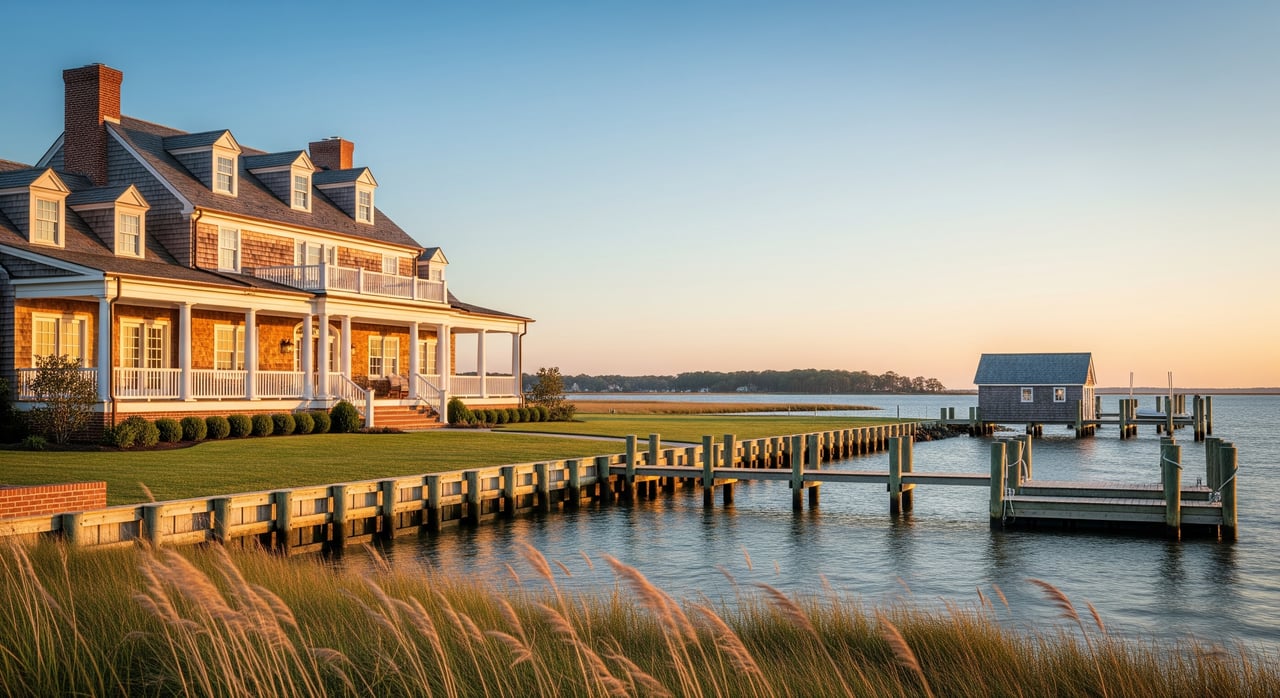
California, MD has a mix of older homes, cottages, and waterfront properties. These MPR items often appear on NOV repair lists:
- Roof condition and leaks. Active leaks or failing shingles are common flags.
- HVAC and heat. Systems must be safe and functional with adequate fuel.
- Electrical hazards. Exposed wiring, unsafe panels, or other hazards need correction.
- Structure and water intrusion. Foundation settlement and chronic moisture are closely reviewed.
- Sanitation, wells, and septics. Many homes use private wells and septic systems. Expect to show safe, potable water and proper sewage disposal, often with county permits or recent test results.
- Access and safety. The property must have safe ingress and egress. Long private roads or uncertainty about access can complicate approvals.
- Floodplain and insurance. Homes in FEMA Special Flood Hazard Areas require flood insurance. Waterfront properties near the Patuxent River may also need elevation certificates.
- Lead-based paint risks. For homes built before 1978, peeling paint can trigger remediation per federal guidance.
- Docks, piers, and bulkheads. Deteriorated or unsafe waterfront structures can be flagged as hazards.
Buyer prep checklist
Before you write an offer
- Get prequalified with a VA-experienced lender that understands St. Mary’s County.
- Consider a voluntary pre-offer home inspection to spot likely MPR items early.
- Request disclosures on septic, well, system ages, permits, recent repairs, and any flood or shoreline issues.
At contract stage
- Include a VA appraisal contingency and realistic time for possible Tidewater steps.
- Hire inspectors who know VA concerns and local well, septic, and flood issues.
If the NOV lists repairs or low value
- Options include seller-completed repairs, a price or credit adjustment, asking the lender to submit an ROV, or cancelling per your contract.
- Coordinate with your lender to confirm what proof they will accept for completed repairs and how reinspection will work.
Logistics for Pax River moves
- Build a buffer for repairs and reinspection. If your PCS timeline is tight, keep your relocation or housing office aware of closing updates.
Seller prep checklist
Before you list
- Consider a pre-listing inspection focused on roof, HVAC, electrical, septic, and well.
- Fix clear safety and health items that are likely MPR issues when it is cost effective.
- Gather records: septic and well permits, service logs, HVAC maintenance, roof invoices, and renovation permits.
When an appraisal requires repairs
- Decide quickly whether to complete repairs, reduce price, offer credits, or support an ROV if you believe value is underreported.
- If doing repairs, use licensed contractors and obtain permits and final inspections where required. Keep detailed receipts and photos.
Negotiation tips
- If you prefer not to do repairs, discuss a documented credit or price reduction with your agent and the buyer’s lender. Some items must be fixed before closing, so confirm lender and VA requirements.
- Respond promptly if the VA Regional Loan Center contacts you under Tidewater. Quick cooperation keeps the file moving.
After repairs: acceptable proof
Lenders and VA commonly accept the following as evidence that repairs are complete:
- Paid invoices from licensed contractors and photos of finished work.
- Building permits and final inspection approvals when required.
- Reinspection by the VA appraiser to verify repairs.
- In limited cases, alternative documentation approved by the lender.
Plan your timeline in California, MD
Seasonal contractor demand in Southern Maryland can delay work in spring and summer. Waterfront and floodplain properties may require extra documentation like elevation certificates and flood insurance quotes. Homes with private wells and septics often involve county permits or test results, which can add days to weeks.
Set realistic dates, stay in close contact with your lender, and keep your agent looped in so paperwork and scheduling line up with your move.
Next steps
Whether you are buying with VA benefits or selling to a VA buyer, a clear plan reduces stress and protects your timeline. If you want local guidance on VA appraisals, Tidewater steps, and realistic repair strategies in California, MD, reach out to James Dick. You will get disciplined, detail-first support tailored to Southern Maryland and Pax River moves.
FAQs
How VA appraisals differ from inspections
- A VA appraisal focuses on value and MPR safety standards, while a home inspection reviews broader condition and maintenance issues.
Tidewater process timing for California, MD
- Tidewater can add 1 to 3 weeks for simple items and longer for complex repairs, permits, or negotiations, so build extra time into your closing plan.
Low VA appraisal and next steps
- If value is below the contract price, you can renegotiate, request an ROV through your lender with stronger comparable sales, or cancel per your contract.
Completing VA repair items before closing
- VA generally requires MPR items to be corrected before loan guaranty; limited exceptions need lender and VA approval and are not automatic.
Waterfront homes and VA repairs in Southern Maryland
- Unsafe docks, piers, or bulkheads can be flagged as hazards and must be addressed for the loan to proceed.
Flood insurance requirements for VA loans
- If a property is in a FEMA Special Flood Hazard Area, flood insurance is required and should be factored into monthly housing costs.