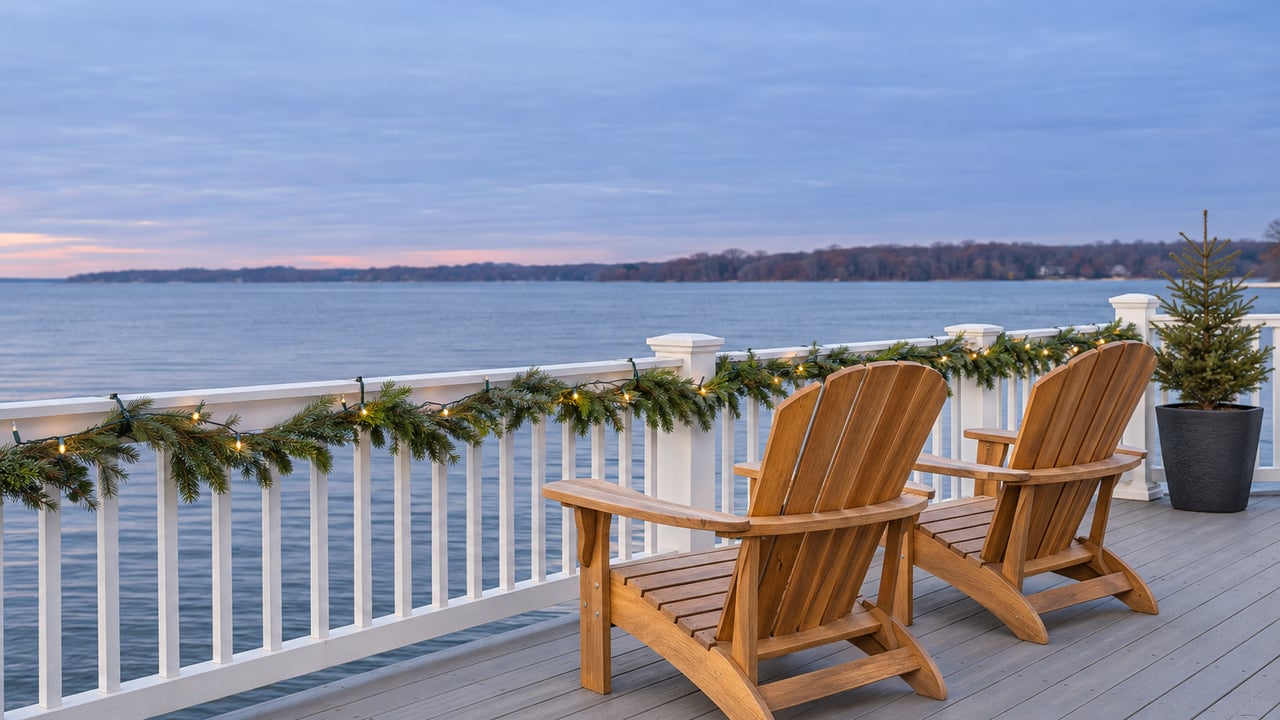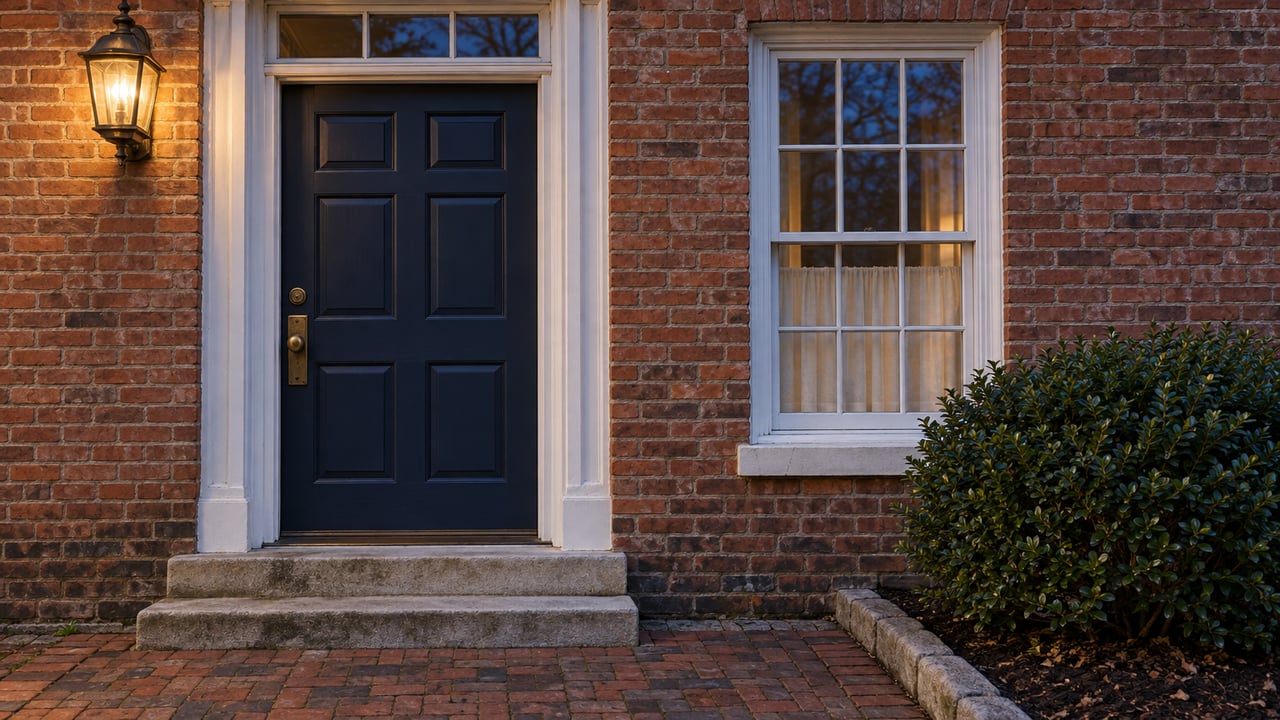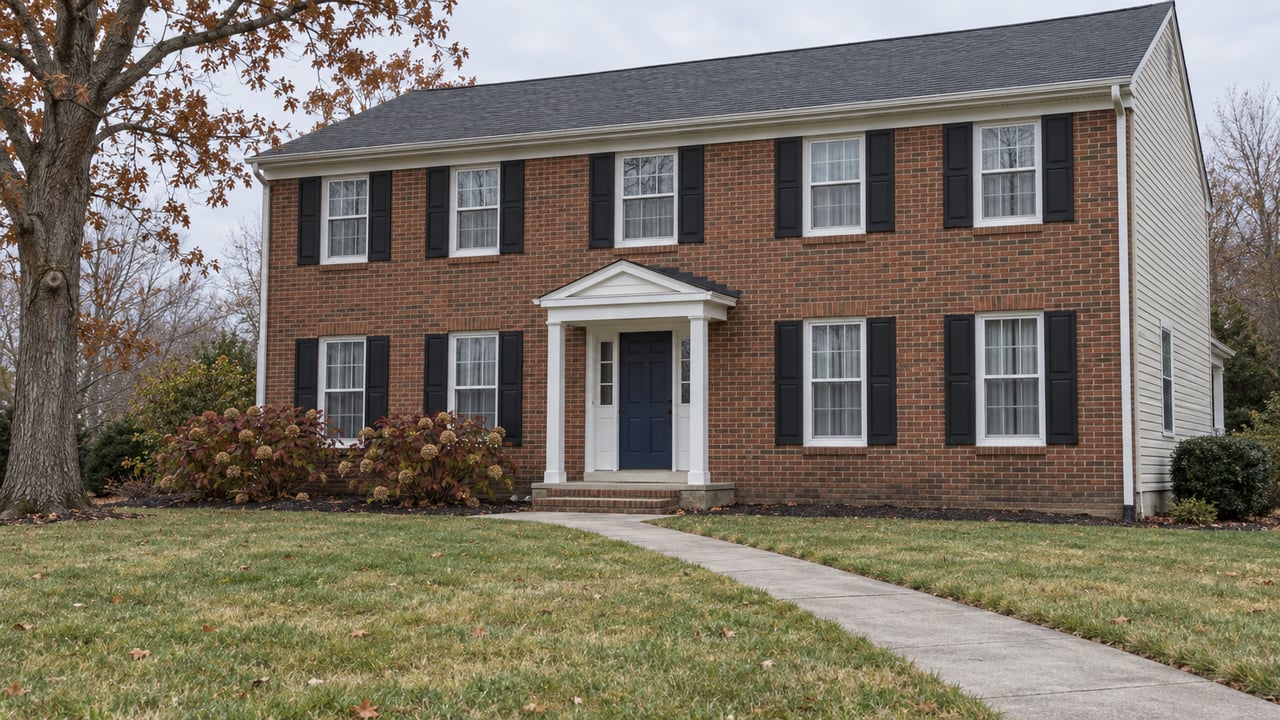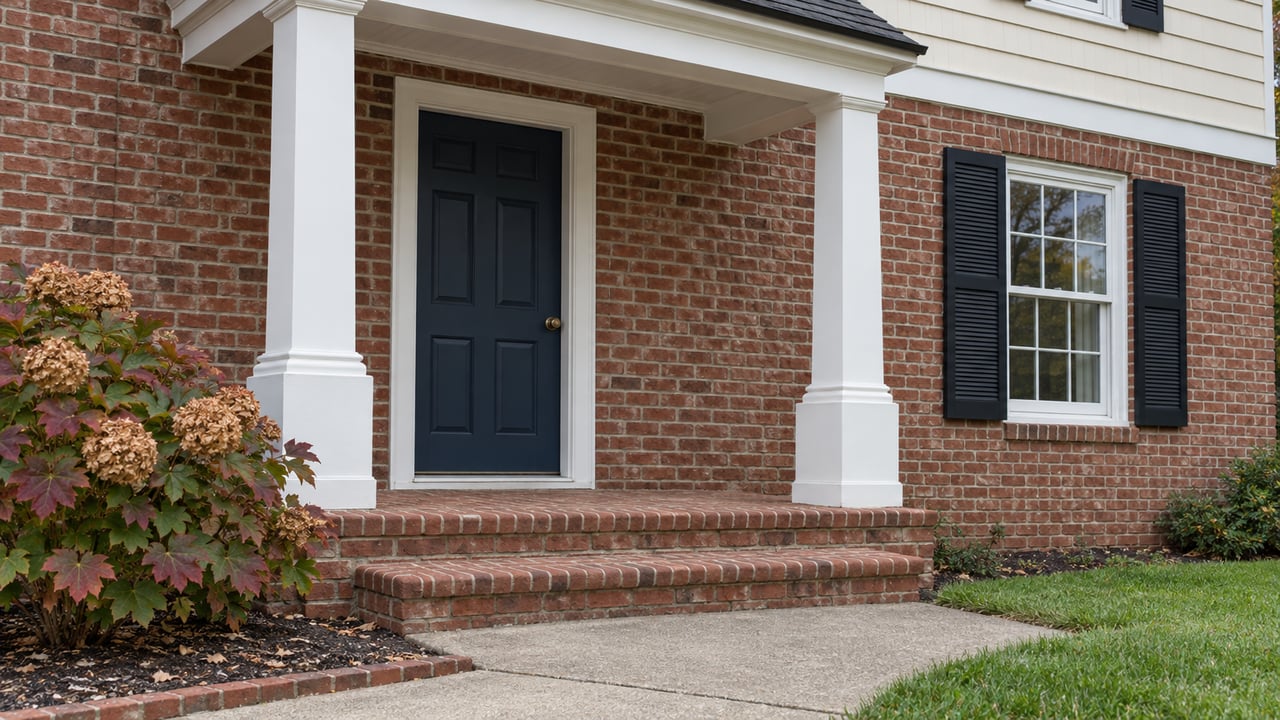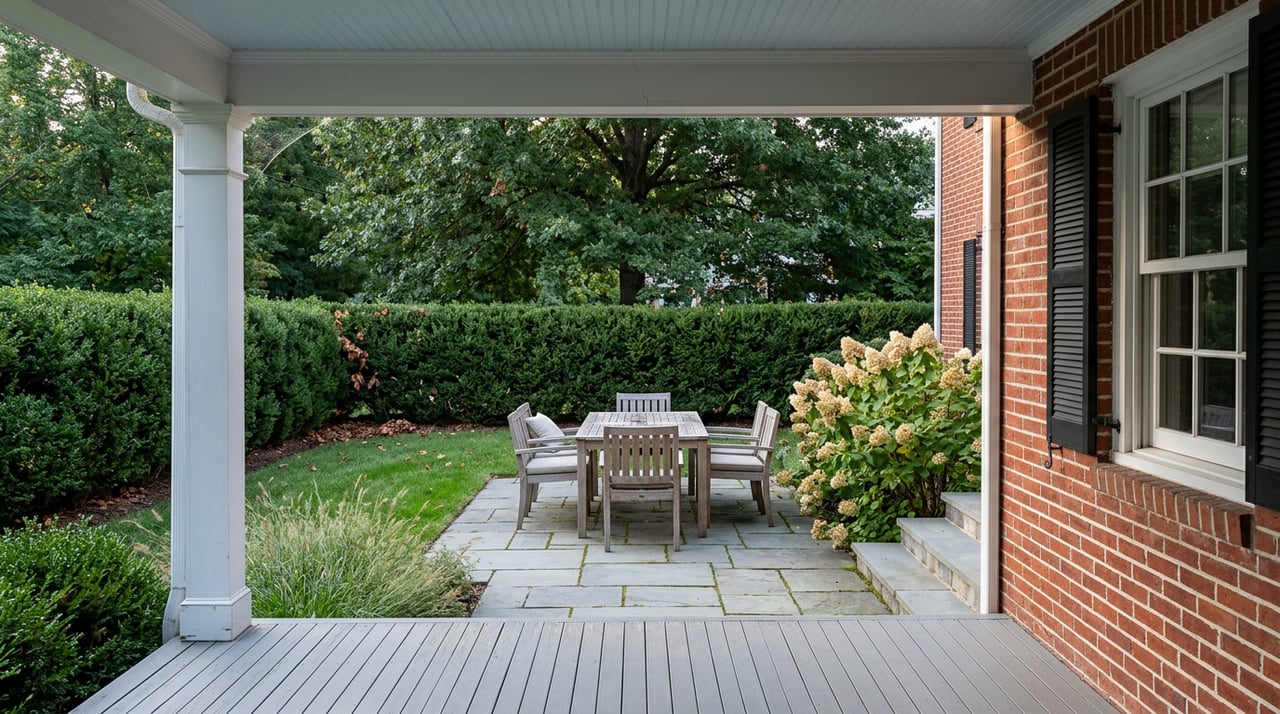
Two listings go up in Eastport the same week. One is a non-waterfront cottage a few blocks off Fourth Street, listed at $950,000. The other is a house with a private dock and a Spa Creek view, listed at $1.05 million. A buyer comparing them sees a hundred-thousand-dollar gap and assumes that's the whole story.
It isn't. Anne Arundel County's transfer tax is another part of the transaction. The buyer at $1.05 million isn't just paying more for the house. They've stepped into a different pool of comparable buyers entirely, one that often includes people shopping from out of state or overseas for the dock as much as the house. The neighborhood name on both listings is identical. The market each one belongs to is not.
This is the problem with treating Annapolis as a single number. It isn't one.
Why the citywide median doesn't match any listing you'll tour
Ask four different sources for Annapolis's median home price in 2026 and you'll get four different answers, and not because anyone is wrong. Houzeo reported $595,000 in February. Redfin had the median at $597,000 for the three months ending May. Zillow's home value index sat at $633,333 as of June 30. Movoto reported a median sale price of $699,999 for homes that sold in July. The range runs from the high $500s to just under $700,000 depending on the month and the methodology.
Now compare that range to what buyers actually encounter neighborhood by neighborhood. As of June 2026, Downtown Annapolis carried a trailing 12-month median of $1,002,750, up 18 percent year over year. Eastport's broader range sat above $1.1 million. West Annapolis was closer to $790,000. Even the highest citywide estimate in that stack, Movoto's $699,999, sits below every one of those figures.
The gap isn't a mistake. The citywide median is a blend, and it's diluted by product types that never show up when you're touring single-family homes on the water. Condos across the city carried a median between $343,000 and $399,000 as of mid-2026. Townhomes sat near $485,000. Parole, a few miles from the peninsula neighborhoods, has newer condo and townhome inventory tied to ongoing commercial redevelopment there, which tends to sell at a different price point than a colonial on Maryland Avenue. Arundel on the Bay, on the water but set apart from the city's core, has listings starting in the mid-to-high $200,000s. Average all of that together with a million-dollar Eastport waterfront estate and you get a number that describes none of them.
If you're planning a search around the citywide figure, you're planning around a home that doesn't exist anywhere on the map.
Eastport's real dividing line isn't the neighborhood border, it's Sixth Street
Eastport gets treated as one neighborhood because it has one name, but the peninsula splits into genuinely different markets depending on which side of Sixth Street you're standing on. City planning materials describe the area east of Sixth Street as a denser historic grid with narrower lots, developed early and built close together. West of that line, the peninsula filled in later, with larger lots and a less connected street layout. That geography lines up closely with the price split buyers actually encounter.
Non-waterfront cottages and Craftsman-style homes in Eastport, the kind you'll find on the historic side of that grid, generally trade in the $600,000 to $900,000 range. Waterfront estates with private docks and Spa Creek or Bay views, concentrated on the newer, larger-lot side of the peninsula, can run $2 million to $6 million. That's not a gradual slope from one end of the neighborhood to the other. It's closer to a step function, and water access is the variable doing most of the work.
The math shows up clearly in renovation numbers, too. A well-executed Eastport renovation, meaning a premium kitchen, a spa-style primary bath, an updated deck, and features that emphasize whatever waterfront access the lot has, can push a $750,000 acquisition to a resale above $1.1 million. The renovation matters, but the ceiling on that outcome depends heavily on whether the lot has water access to begin with. A cottage a block off the water with the same finishes will not cross that same line, because it's competing in a different pool of buyers. Eastport's waterfront segment draws a national, sometimes international, buyer pool. Its non-waterfront segment is competing mostly with West Annapolis and Admiral Heights for the same local buyer.
West Annapolis and Admiral Heights sit near the same price, for different reasons
West Annapolis and Admiral Heights land in a similar dollar range, roughly $790,000 to $800,000 for the former and around $802,500 for the latter as of 2026 reporting. But arriving at a similar number from different directions is exactly the kind of thing a median hides.
West Annapolis earns its price from walkability and a small commercial core that functions almost like its own village. Annapolis Street is the spine of it, home to Bean Rush Café for morning coffee, Evelyn's for breakfast and lunch, West Annapolis Artworks & Fine Framing, and Bon Vivant Antiques for browsing on a weekend. RAR Brewing operates a West Annapolis outpost at Chessie's Wharf, and the West Annapolis Business Association runs a calendar of neighborhood events built around that commercial strip, including an Oktoberfest scheduled for September 27, 2026, with RAR Brewing and Chessie's Wharf sponsoring the beer garden. None of that shows up in a price-per-square-foot chart, but it's a real part of what someone is buying when they choose this neighborhood over a similarly priced house elsewhere in the city.
Admiral Heights earns its price differently. It's a waterfront community of roughly 625 homes built around shared amenities rather than a commercial strip: a boat club, a community pool, community docks, and storage for kayaks and canoes. The lifestyle here is closer to a private recreational membership than a walkable town center. A buyer choosing between the two isn't choosing a cheaper or more expensive version of the same thing. They're choosing between a walk-to-coffee lifestyle and a keep-the-kayak-at-the-dock lifestyle that happen to land at similar price points.
What this means when you're actually planning a budget
Stop asking what Annapolis costs and start asking what threshold you're near and what that threshold buys. A $950,000 Eastport cottage and a $1.05 million Eastport waterfront home aren't two prices on the same continuum. They're two different transactions, with a different resale ceiling and a different buyer competing against you at the open house.
Pace matters here too. Downtown Annapolis homes sold in an average of 16 days as of mid-2026, the fastest pace in the city. Citywide, Redfin's July update put the trailing pace at 34 days, and Movoto's July reporting had it at 42 days. If you're budgeting for a Downtown purchase using citywide timelines, you'll be caught flat when a house you liked goes under contract before you've finished scheduling a second showing.
The practical move is to pick your neighborhood first, then find the actual median and actual pace for that specific area and that specific price band, rather than working backward from a citywide number that was never describing your search to begin with.
If you're weighing Eastport against West Annapolis against Admiral Heights, or trying to figure out which side of a specific street changes what you're actually competing for, that's the kind of question worth working through with someone who tracks these neighborhoods block by block rather than city-wide. James Dick works buyers and sellers across Annapolis and the rest of Southern Maryland, and if part of your plan involves selling a home elsewhere first to fund the move, a free home valuation is a reasonable place to find out what you're working with before you start touring.
This article is general information, not legal, tax or financial advice. Consult a qualified professional about your situation.