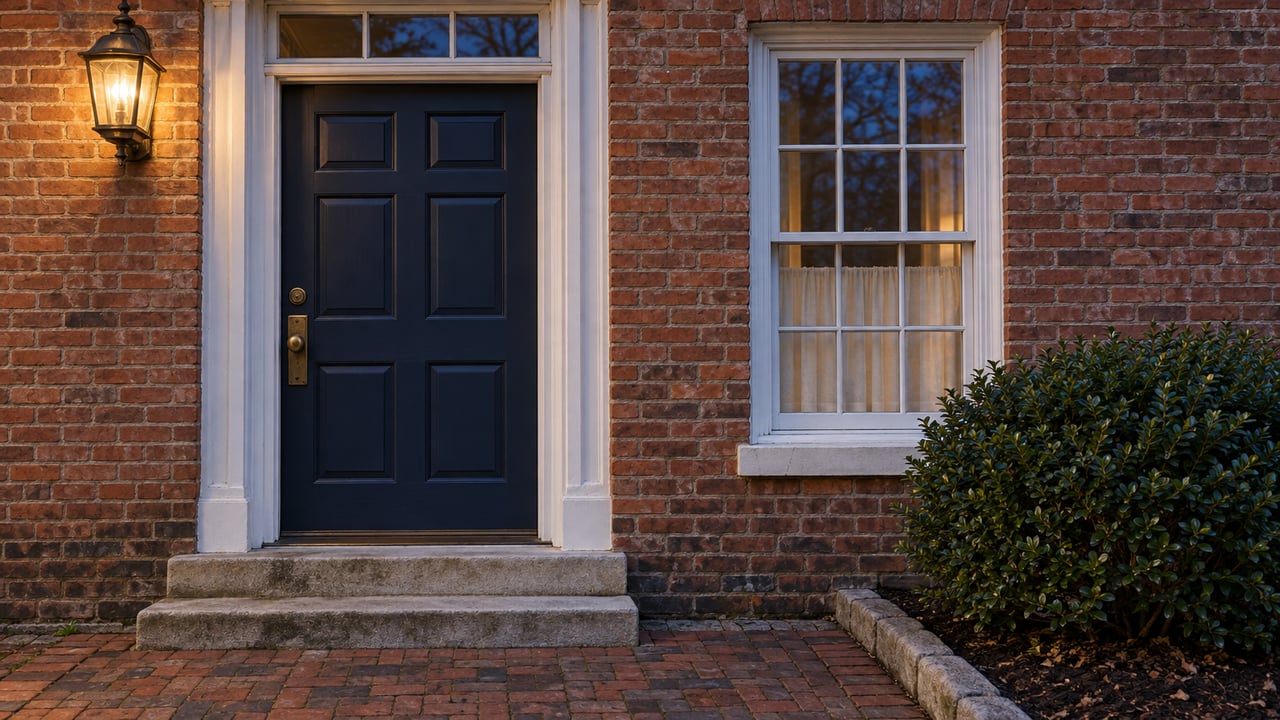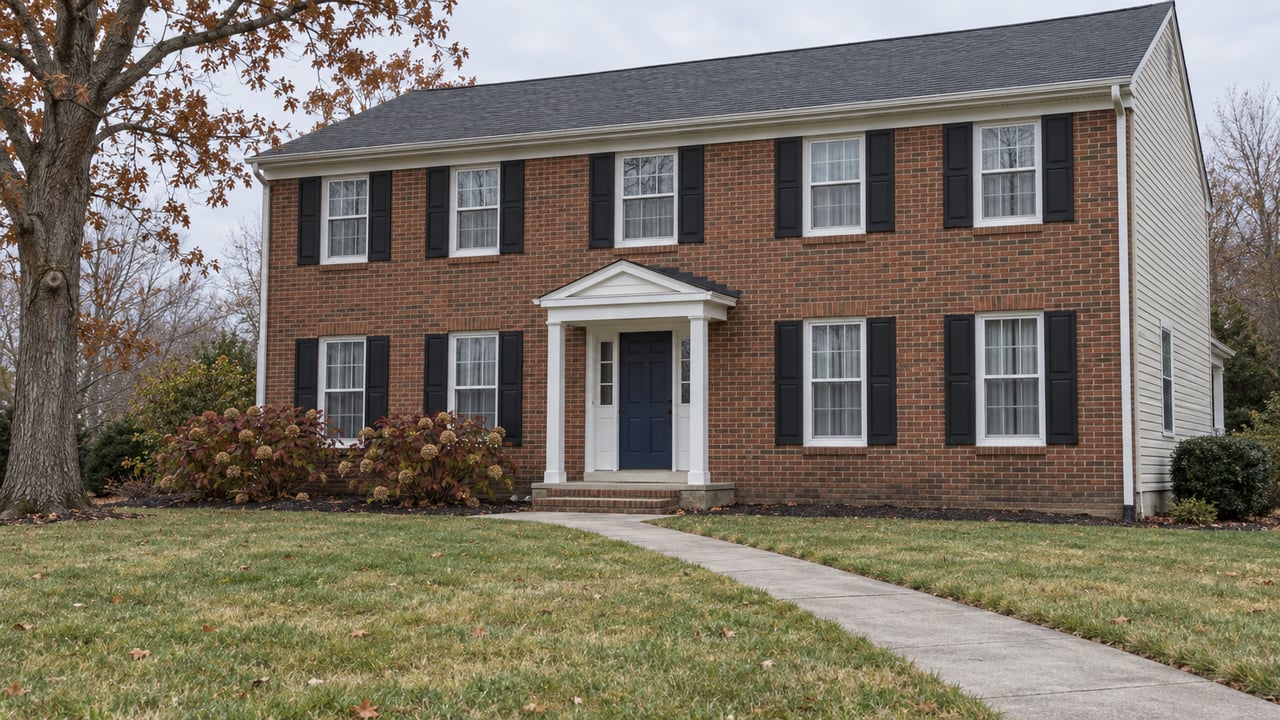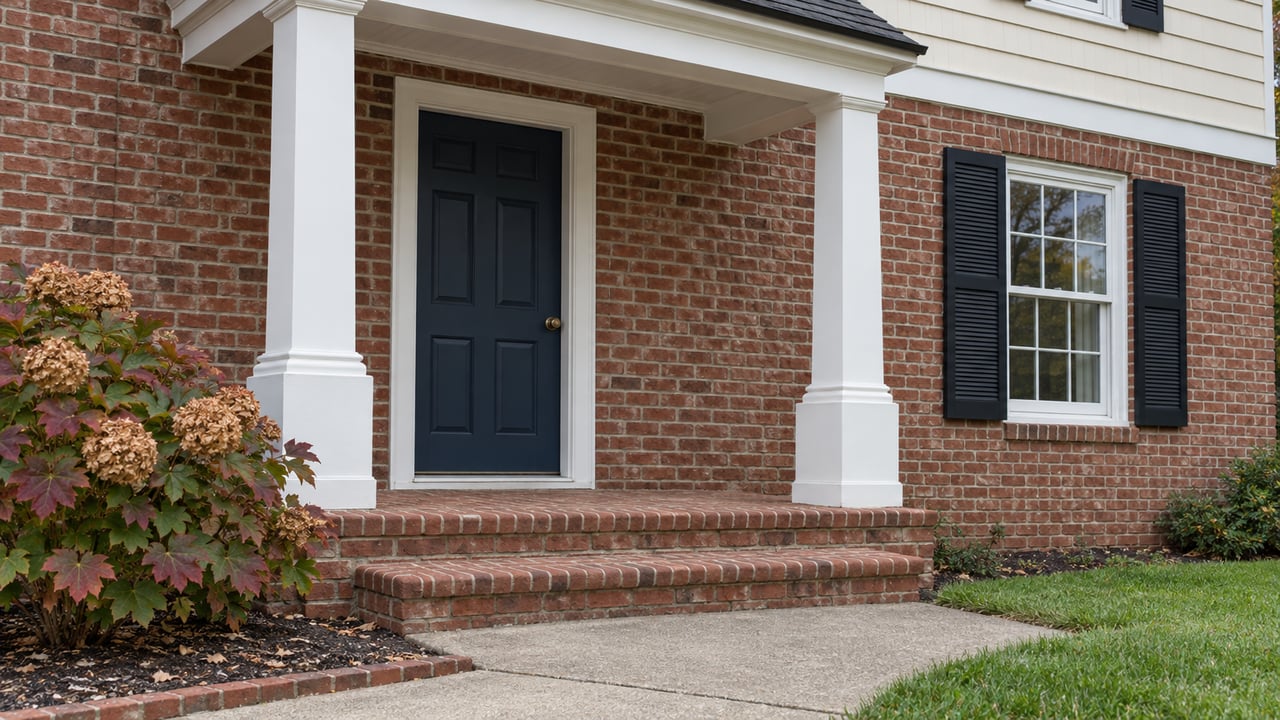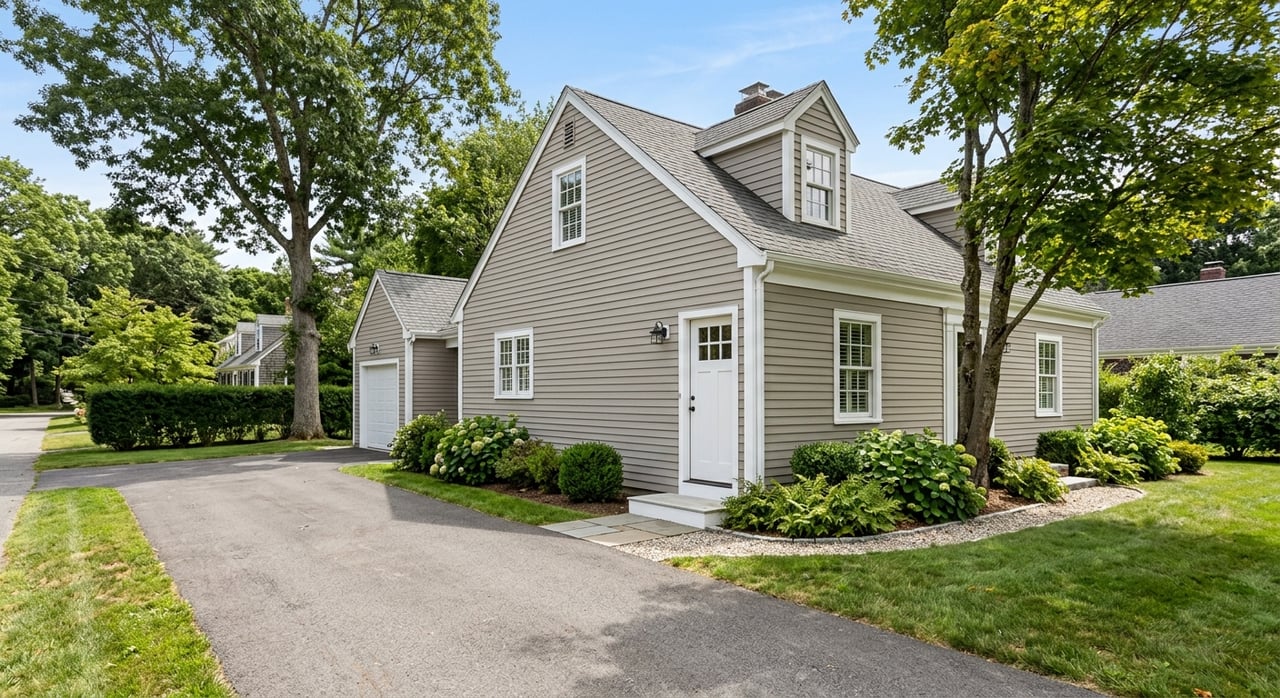
If you are thinking about rental property investing in California, Maryland, this is a market worth a close look. You are not looking at a giant apartment-heavy city with endless inventory. Instead, you are looking at a smaller Southern Maryland market where rental demand is tied to stable employers, visible supply appears limited, and the numbers reward careful planning instead of guesswork. Let’s dive in.
Why California, MD draws investors
California, Maryland sits in St. Mary’s County, where the rental market appears to be shaped by steady employment and a housing stock that leans heavily toward owner-occupied homes. In the California CDP, the owner-occupied housing rate was 62.9% in the 2020 to 2024 QuickFacts series. That matters because when rentals are a minority product, well-positioned properties can stand out.
County data also points to a relatively tight rental environment. St. Mary’s County had a 2024 ACS rental vacancy estimate of 2.0%, although that figure has a large margin of error and should be treated as directional. Even so, combined with portal inventory showing only 16 available rentals in California, MD in April 2026, the market looks supply-conscious rather than oversupplied.
Rent benchmarks to know
If you are underwriting a deal, rent expectations should stay grounded in local data. St. Mary’s County’s 2024 ACS median gross rent was $1,741, while California CDP’s 2020 to 2024 QuickFacts median gross rent was $1,927. Those two figures suggest this is not a bargain-basement rental market, but it is also not one where you should assume every property will command top-of-market pricing.
HUD’s FY2026 Fair Market Rents for St. Mary’s County offer another useful benchmark:
- 1 bedroom: $1,672
- 2 bedroom: $1,833
- 3 bedroom: $2,264
- 4 bedroom: $2,889
A private-market snapshot from April 2026 showed average rents around $1,809 for a 1 bedroom, $1,962 for a 2 bedroom, and $2,252 for a 3 bedroom in California, MD. The same snapshot showed average rents of $2,292 for townhomes and $3,000 for houses. Taken together, a practical planning range for many smaller apartments and older townhomes is roughly $1,700 to $2,300, while larger detached homes can move into the mid-$2,000s up to about $3,000.
Do not assume rent growth
One of the biggest mistakes investors make is treating rent growth like a guarantee. In April 2026, Apartments.com reported average rent in California, MD was down 2.2% year over year. That does not mean the market is weak, but it does mean you should evaluate each property on its own merits.
Features like bedroom count, condition, commute convenience, and property type can make a meaningful difference here. A detached home may appeal to a different renter pool than a smaller apartment or older townhome. In a market like this, smart underwriting usually beats optimistic underwriting.
Demand is anchored by major employers
The strongest driver in this market is Naval Air Station Patuxent River. Navy data says the installation employs 9,800 civilians, 5,700 contractors, and 2,400 active-duty personnel, while hosting more than 50 tenant activities. NAVAIR is headquartered there, and NAWCAD reports more than 10,000 employees.
That kind of employment base helps support consistent rental demand. It also creates a market where transfer timelines, contract roles, and military-related moves can influence leasing activity. For many investors, that is a positive sign because it points to a recurring stream of renters tied to a major regional employer.
Other employers add more depth to the market. St. Mary’s County economic development lists the U.S. Navy, MedStar St. Mary’s Hospital, St. Mary’s College of Maryland, and several defense contractors among the county’s major employers. That mix supports demand from working professionals, military households, health care employees, and college staff.
What renter demand may look like
The local demographic profile gives more context to the likely renter base. St. Mary’s County has a median household income of $119,446, and California CDP is slightly higher at $119,855. California CDP also shows 43.8% bachelor’s-degree attainment, while the county is at 36.5%.
You are likely looking at a renter pool that includes:
- Military households
- Defense contractors
- Hospital employees
- College staff
- Commuter families
- Some retirees
- Voucher-qualified households
Veterans are also a meaningful part of the county profile, with 12,208 veterans reported in St. Mary’s County. The Housing Authority of St. Mary’s County administers both Housing Choice Voucher assistance and VASH vouchers, which is relevant if you want to understand the full range of renter demand in the area.
Housing stock shapes the opportunity
The housing stock in St. Mary’s County is not dominated by dense multifamily inventory. In the 2024 ACS, 72.3% of housing units were 1-unit detached homes. The bedroom mix also leaned heavily toward larger layouts, with 39.6% of units having 3 bedrooms, 28.5% having 4 bedrooms, and 10.6% having 5 or more bedrooms.
That tells you something important as an investor. This market may favor family-sized rentals and detached homes more than a small-unit, high-turnover strategy. California CDP’s average household size was 2.47, and the county’s renter-occupied household size was 2.16, which supports the idea that practical, livable layouts matter.
If you are choosing between a compact unit and a well-located 3-bedroom home, the local housing mix suggests the larger format may deserve extra attention. Of course, the final answer still depends on price, condition, and expected rent.
Why compliance matters here
California, MD can look attractive from an income perspective, but this is not a hands-off market. St. Mary’s County has a separate Minimum Livability Code that sets standards for light, ventilation, plumbing, mechanical and electrical systems, fire safety, sanitation, and responsibilities of owners, operators, and tenants. The county inspections division specifically lists Minimum Livability Code inspections for rentals.
The county code is enforceable. Officials may inspect with reasonable notice, and noncompliant premises cannot be occupied unless a waiver is approved. For investors, that means maintenance and documentation are not side issues. They are part of the investment plan.
Maryland landlord rules to budget for
State-level rules are just as important. In Maryland, if any part of a security deposit is withheld, the landlord must mail an itemized list of damages and actual costs within 45 days after the tenancy ends. If funds are wrongfully withheld, that can be challenged in District Court.
Maryland courts also explain that serious defects or code violations can lead to a rent escrow action. In simple terms, habitability issues can become a legal and financial problem if repairs are not handled properly. That is one reason experienced investors build maintenance reserves instead of hoping nothing goes wrong.
For failure-to-pay-rent cases, landlords must give a 10-day notice of intent to file before filing. Maryland courts also state that the eviction process cannot begin until 7 business days after a judgment for possession. If you are modeling risk, these timing rules matter.
Lead rules for older rentals
If you are considering an older property, lead compliance should be part of your due diligence from day one. Maryland’s Department of the Environment requires pre-1978 rental properties to be registered, renewed every two years, and inspected or certified to meet lead-risk standards. Owners also need to provide required tenant educational materials.
This is especially important for out-of-area buyers who may underestimate local compliance steps. If a property was built before 1978, you should verify the registration and inspection status early. It is much better to uncover that work before closing than after you take ownership.
What this means for your investment strategy
For many buyers, California, Maryland looks more like a stable, employer-driven rental market than a speculative appreciation play. Demand appears tied to major employment centers, rental supply looks relatively limited, and the housing stock favors practical homes and townhomes over dense apartment inventory. That can be attractive if you want a property with durable local demand.
At the same time, this is a market where details matter. Rent growth is not automatic, compliance is real, and property-specific underwriting is essential. The best opportunities are often the ones where the numbers work conservatively, the condition is manageable, and the rental product matches how local households actually live.
Smart steps before you buy
If you are considering a rental purchase in California, MD, start with a disciplined checklist:
- Compare the asking price to realistic local rent bands
- Separate apartment, townhome, and detached-home rent assumptions
- Verify age, condition, and likely maintenance needs
- Review whether the property may trigger lead compliance requirements
- Budget for county livability compliance and inspections
- Model vacancy and repairs conservatively
- Think about the likely renter profile for that specific property
This kind of market rewards investors who stay practical. A clean, well-located property with the right bedroom count and a solid rental strategy may outperform a more exciting deal that only works on paper.
If you want help evaluating a rental opportunity in Southern Maryland, or need support with buying, leasing, or positioning a property for the local renter pool, James Dick offers disciplined, local guidance backed by strong transaction experience across St. Mary’s County and the surrounding region.
FAQs
What are typical rents for rental property investing in California, Maryland?
- Current benchmarks suggest many smaller apartments and older townhomes may fall roughly in the $1,700 to $2,300 range, while larger detached homes can reach the mid-$2,000s up to about $3,000, depending on size, condition, and location.
Is California, Maryland a strong rental market for investors?
- The market appears relatively stable due to major employers, a low county rental-vacancy estimate, and limited visible rental supply, but success still depends on careful property-level underwriting.
Who typically rents homes in California, Maryland?
- Common renter groups likely include military households, defense contractors, hospital employees, college staff, commuter families, some retirees, and voucher-qualified households.
What landlord rules matter in St. Mary’s County, Maryland?
- Investors should pay close attention to the county’s Minimum Livability Code, Maryland security deposit rules, repair obligations tied to habitability, and required notice timelines for failure-to-pay-rent cases.
Do older rentals in California, Maryland have lead compliance requirements?
- Yes, pre-1978 rental properties in Maryland generally require registration, renewal, inspection or certification for lead-risk standards, and delivery of required tenant educational materials.
What property types may fit California, Maryland rental demand best?
- Local housing data suggests family-sized homes and townhomes deserve close consideration because the county housing stock is heavily detached and the bedroom mix leans toward 3-bedroom and larger layouts.