If you are thinking about buying a rental property in Chesapeake Beach, the biggest question is simple: will the numbers and the location support steady, long-term demand? In a small waterfront town, it is easy to focus on the charm and seasonal appeal, but smart investing starts with understanding the year-round rental picture. This guide breaks down what you should know about long-term rental potential in Chesapeake Beach, from housing supply and likely tenant demand to licensing, taxes, and local compliance costs. Let’s dive in.
Chesapeake Beach Rental Market Basics
Chesapeake Beach is a small waterfront town in Calvert County, about 30 miles southeast of Washington, D.C. Calvert County also benefits from access to Baltimore, Annapolis, and Patuxent River Naval Air Station, and county officials note a labor force of at least 1.8 million within a one-hour drive. Major industries in the county include defense contracting, information technology, tourism, and administrative services.
That regional access matters because it supports the idea that Chesapeake Beach is not only a leisure destination. It is also part of a broader residential and employment network that can support long-term renters who want a coastal setting with access to larger job centers.
The town is still heavily owner-occupied. Census QuickFacts estimates an 82.8% owner-occupied housing rate, a median household income of $138,895, a median gross rent of $1,756, and a median owner-occupied home value of $444,600.
Why Limited Supply Matters
One of the most important details for investors is that Chesapeake Beach does not have a large rental inventory. The 2020 Census profile counted 2,337 occupied housing units, 534 renter-occupied units, 63 units for rent, and a 10.4% rental vacancy rate.
In practical terms, that points to a relatively small rental base rather than a high-volume apartment market. For a buy-and-hold owner, that can be a positive sign because well-priced and well-managed homes may face less direct competition than they would in a more saturated rental area.
This does not mean every property will perform the same way. It means your success is likely to depend on choosing the right property type, setting a realistic rent, and managing the home carefully.
Best Property Types for Long-Term Rentals
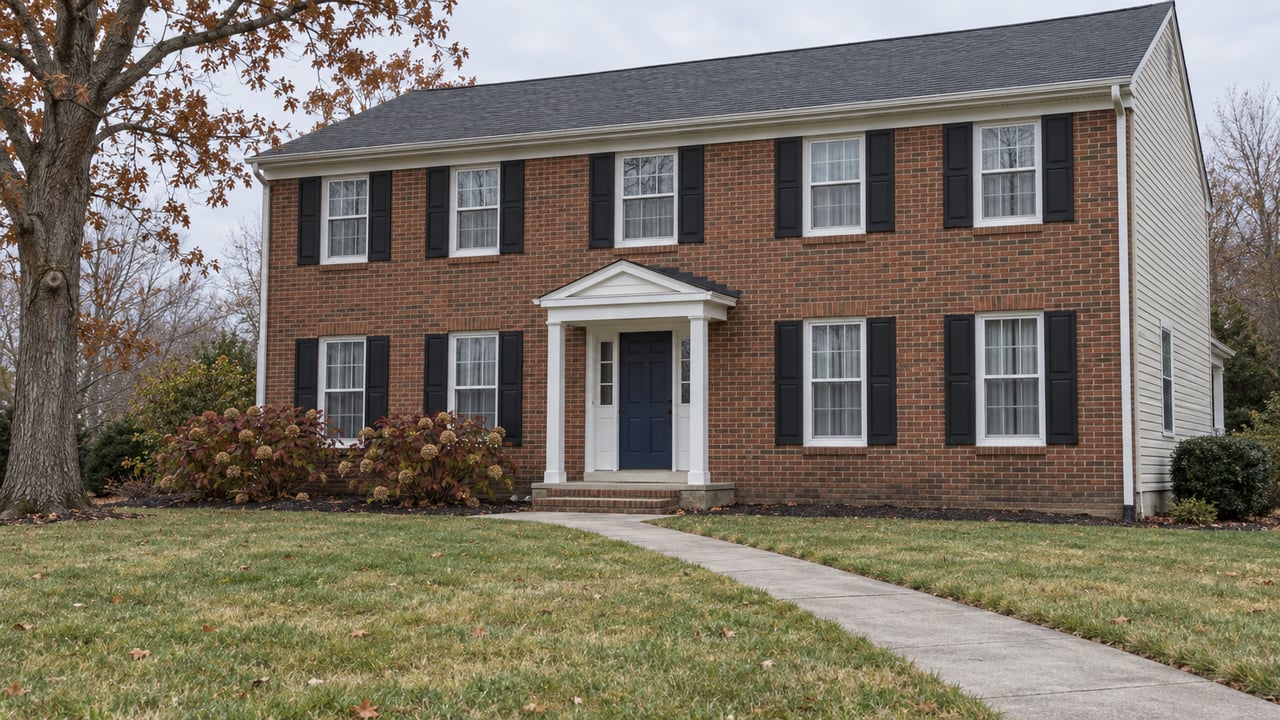
Town planning materials show that single-family units make up 86% of Chesapeake Beach housing. The zoning code allows a range of residential types, including detached homes, attached homes, townhouses, multifamily units, and accessory dwellings in selected districts.
Even so, the most relevant long-term rental product in this market is usually a detached home or townhome. That fits the broader county housing stock as well, with 84.4% of units in 1-unit detached structures and 9.8% in 1-unit attached structures in the 2024 ACS.
For many investors, that means the strongest fit may be a clean, well-kept house that appeals to renters looking for more space and a longer stay. Large apartment-style investing is simply not the main story in Chesapeake Beach.
Who May Rent in Chesapeake Beach
The likely renter pool appears to be a mix of local workers, commuter households, and residents looking for a waterfront lifestyle without buying right away. Chesapeake Beach's 2020 Census profile shows that 42.8% of households have children under 18, and the town also has a meaningful share of older households.
That mix suggests demand may come from more than one life stage. Some renters may want room for a household and a longer lease term, while others may be downsizing or testing the area before making a purchase.
County officials describe Chesapeake Beach as a family-focused waterfront community, and the broader local economy includes retail, restaurants, offices, tourism-related businesses, and regional employment access. For landlords, that supports the case for stable residential demand rather than demand tied only to vacation traffic.
Seasonal Appeal vs. Year-Round Demand
Chesapeake Beach has a strong resort identity, and that is part of its appeal. County materials highlight Bay Front Park, Breezy Point, the local water park, charter fishing fleets, and the Chesapeake Beach Railway Museum, while the town's Explore page points to waterfront dining, trails, and year-round events.
Those amenities likely help make the town more attractive to renters who want a lifestyle component in addition to housing. They also support the town's visibility and reputation as a place people enjoy spending time.
Still, for long-term rental owners, the more important point is this: Chesapeake Beach looks more like a small, supply-constrained residential market than a pure tourism play. Its visitor appeal may help support overall desirability, but long-term rental performance is more closely tied to household formation, local jobs, and regional commuting patterns.
Taxes and Ownership Costs to Review
Before you buy, make sure you account for local ownership costs. In FY 2027, Calvert County's real property tax rate is $0.967 per $100 of assessed value, and Chesapeake Beach's municipal real property tax rate is $0.605 per $100.
Those rates should be part of your upfront underwriting. Even in a promising rental market, taxes can affect your monthly cash flow and your long-term return.
If you are comparing multiple properties, run the numbers carefully on each one instead of relying on broad averages. A home with stronger rent potential may still underperform if carrying costs are too high.
Chesapeake Beach Rental License Requirements
If you plan to rent out a property in Chesapeake Beach, local licensing rules are a major part of the process. The town requires rental licensing, and the current fee is $300 per unit for a two-year license.
The town also requires an inspection before the license is issued and at least one inspection during each two-year licensing period. Additional inspections can be billed separately.
Rental properties are subject to the town code, the International Building Code, the International Property Maintenance Code, and the town's Livability Code. For landlords, that means condition and compliance are not side issues. They are central to operating the property successfully.
Maryland Rules Landlords Should Know
State law adds another layer of responsibility. For residential security deposits paid on or after October 1, 2024, Maryland caps the deposit at one month's rent.
Deposits must be held in escrow, interest accrues at the greater of 1.5% or the one-year Treasury yield, and the deposit generally must be returned within 45 days with an itemized statement of any deductions. The Maryland Attorney General also notes that landlords can face significant liability if deposits are not handled correctly.
If the property was built before 1978, Maryland lead-paint rules may also apply. That can include registration, required notices, and risk-reduction steps, so older homes need extra review before you move forward.
Waterfront and Floodplain Factors
In a town like Chesapeake Beach, shoreline location can be a major selling point. It can also come with added planning requirements.
The town's Critical Area Program and floodplain rules apply in shoreline and flood-hazard areas, and town regulations require permits for development in flood hazard areas. For bay-adjacent rentals, that can mean extra permitting, maintenance planning, and insurance considerations.
This does not make waterfront investing a bad idea. It simply means you should treat these properties with more detailed due diligence, especially if you are buying from out of the area.
Practical Tips for Out-of-Area Landlords
The town's rental application includes a practical reminder that many investors overlook. Owners must provide emergency contact information, and owners remain responsible for water and sewer billing even if a tenant does not pay.
That makes strong systems especially important if you will not be local. Clear lease administration, dependable maintenance contacts, and close attention to utility billing can help prevent small issues from becoming expensive problems.
For many buyers, this is where local guidance matters most. A disciplined purchase strategy is not only about finding a property. It is also about understanding how that property will operate after closing.
Is Chesapeake Beach a Good Fit for Buy-and-Hold?
Based on the available data, Chesapeake Beach appears to be a better fit for investors who want a stable, smaller-scale long-term rental market rather than a high-volume investor environment. Limited rental supply, a mostly owner-occupied housing base, and a detached-home-heavy inventory all support that view.
The strongest opportunities may be well-maintained detached homes or townhomes that appeal to long-term residents. Homes that match the area's existing housing pattern are often easier to position in a market like this.
The key is to go in with realistic expectations. Chesapeake Beach may not be a rapid-scale rental market, but it can be a sensible place to look if you want a hold property in a waterfront community with regional access and limited supply.
If you are weighing a purchase in Chesapeake Beach, James Dick can help you evaluate property fit, local market conditions, and leasing considerations with a practical, process-driven approach. Connect with James Dick to talk through your next move.
FAQs
Is Chesapeake Beach a good place for a long-term rental property?
- Chesapeake Beach appears to be a smaller, supply-limited rental market where well-kept detached homes and townhomes may be the best fit for long-term leases.
What types of rental homes are most common in Chesapeake Beach?
- The housing stock is dominated by single-family homes, so detached houses and townhomes are generally the most relevant long-term rental property types.
Does Chesapeake Beach require a rental license?
- Yes, the town requires rental licensing, including a $300 per-unit fee for a two-year license and inspections before issuance and during the license period.
What should landlords know about Maryland security deposit rules?
- For deposits paid on or after October 1, 2024, Maryland caps residential security deposits at one month's rent and requires escrow handling, interest accrual, and timely return with itemized deductions when applicable.
Are waterfront rentals in Chesapeake Beach harder to manage?
- They can require more due diligence because shoreline and flood-hazard properties may involve added permitting, maintenance planning, and insurance considerations.
What is the rental supply like in Chesapeake Beach?
- The town has a relatively small renter base, with 534 renter-occupied units counted in the 2020 Census profile, which suggests a limited-supply rental environment rather than a dense rental corridor.