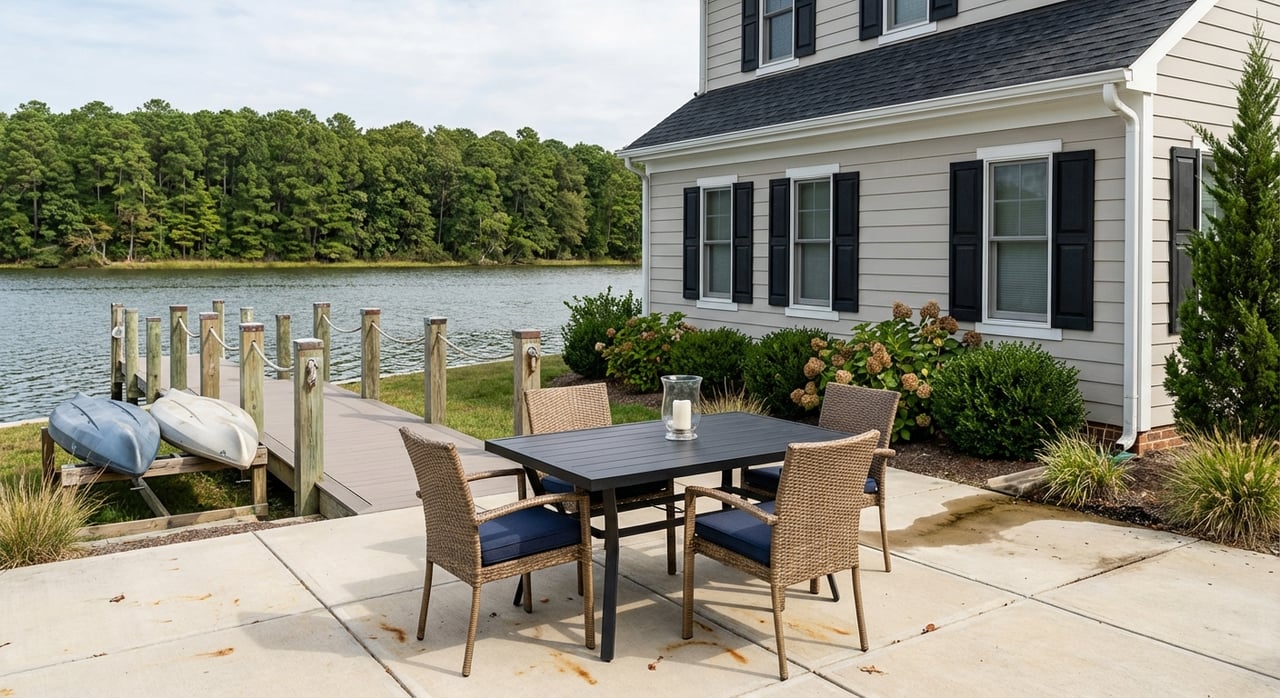
Can you really have toes-in-the-sand weekends and still reach Washington, DC or Annapolis on a reasonable schedule? If Chesapeake Beach is on your radar, you’re likely weighing that waterfront vibe against the weekday commute. You want straight talk on housing, boating realities, travel times, and the everyday rhythm of a small Bay town. This guide gives you a clear picture so you can decide with confidence. Let’s dive in.
Chesapeake Beach at a glance
Chesapeake Beach is a compact, incorporated town on the Western Shore of the Chesapeake Bay with an estimated population of 6,504 (U.S. Census, July 1, 2024). You’ll find a walkable waterfront core, a short boardwalk, marinas on Fishing Creek, and a few square miles of neighborhoods tucked between the Bay and local inlets. Census QuickFacts confirms the town’s size and basics.
The town’s heart sits along the boardwalk and creek. Restaurants, small marinas, and the Chesapeake Beach Railway Museum anchor summer activity. The town’s visitor page highlights these as central features for locals and day-trippers alike. Explore the setting on the Town of Chesapeake Beach visitor page.
Waterfront lifestyle basics
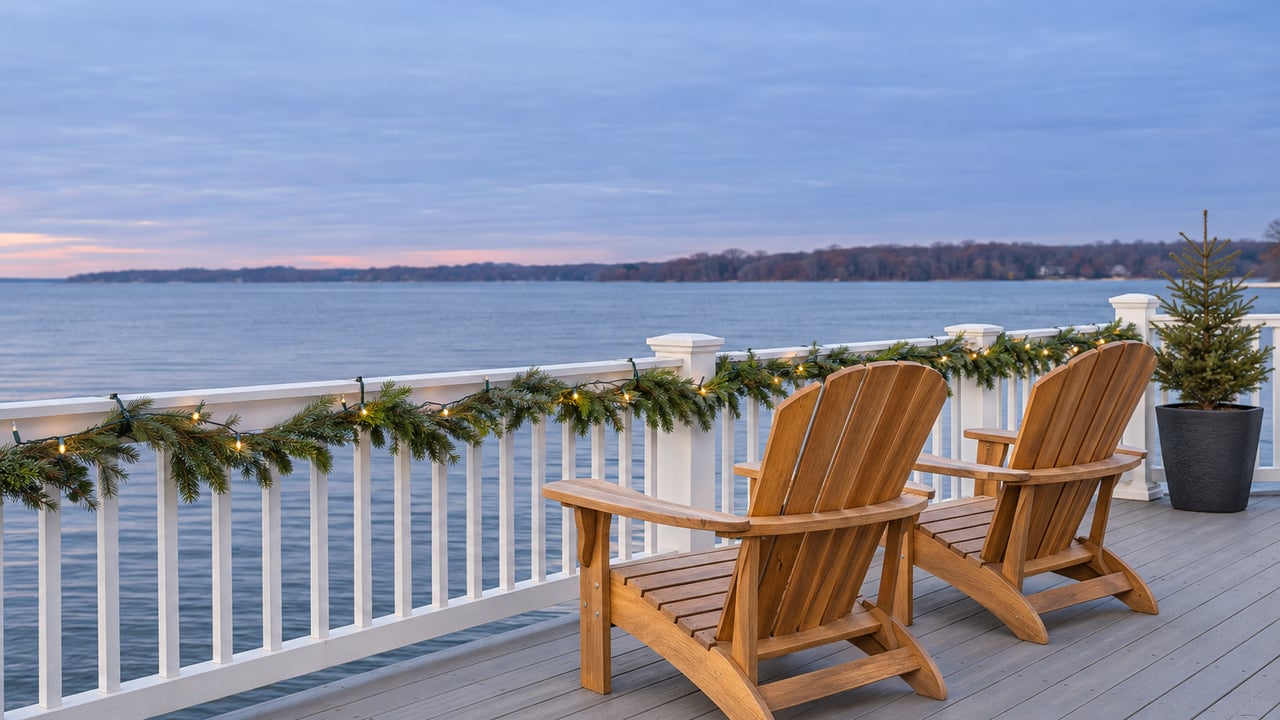
If you picture early walks on the boardwalk, casual seafood on the water, and quick access to your boat, you’re in the right place. Summer is lively here, especially between Memorial Day and Labor Day. Expect more visitors on weekends, tighter parking near the waterfront, and longer waits for tables during peak times.
Boating is a major draw, with slips along Fishing Creek and adjacent marinas. Depth and bridge clearance are the practical constraints to note. The channel and many slips are shallow compared to deep-water ports, which suits trailerable boats, center consoles, and small cabin cruisers more than large yachts. For accurate approach depths and slip details, review the Chesapeake Beach Harbor listing and inlet notes and confirm directly with marinas.
You’ll find fuel, pump-outs, transient slips, and basic haul-out services in town, though true deep-water berths are not the norm. If a slip is essential to your purchase, verify size, depth, winter storage options, and any HOA rules before you write an offer.
Housing options and pricing
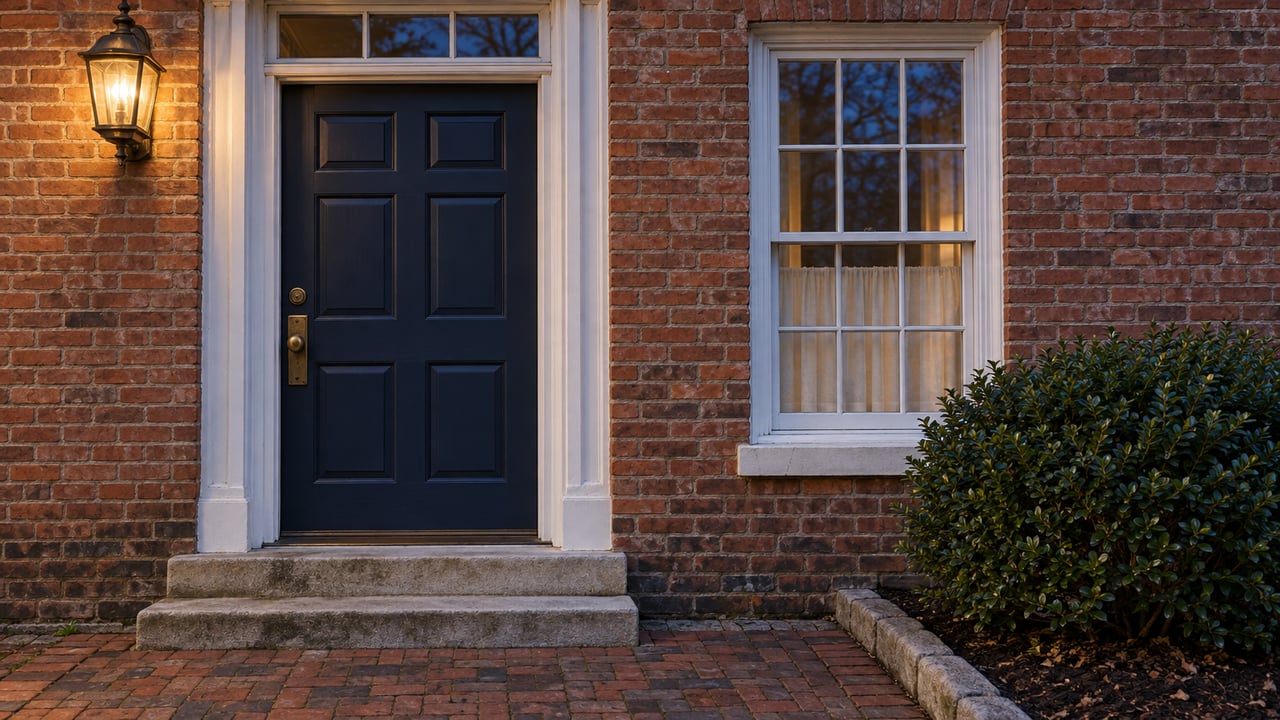
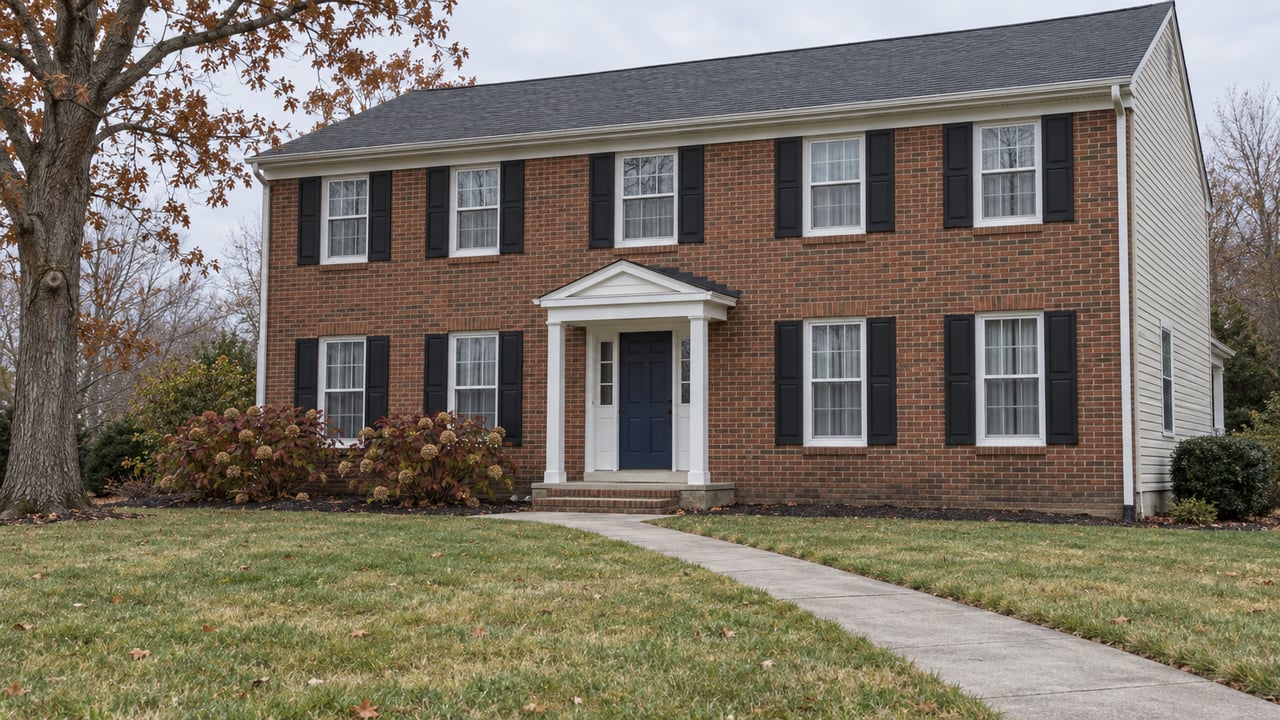
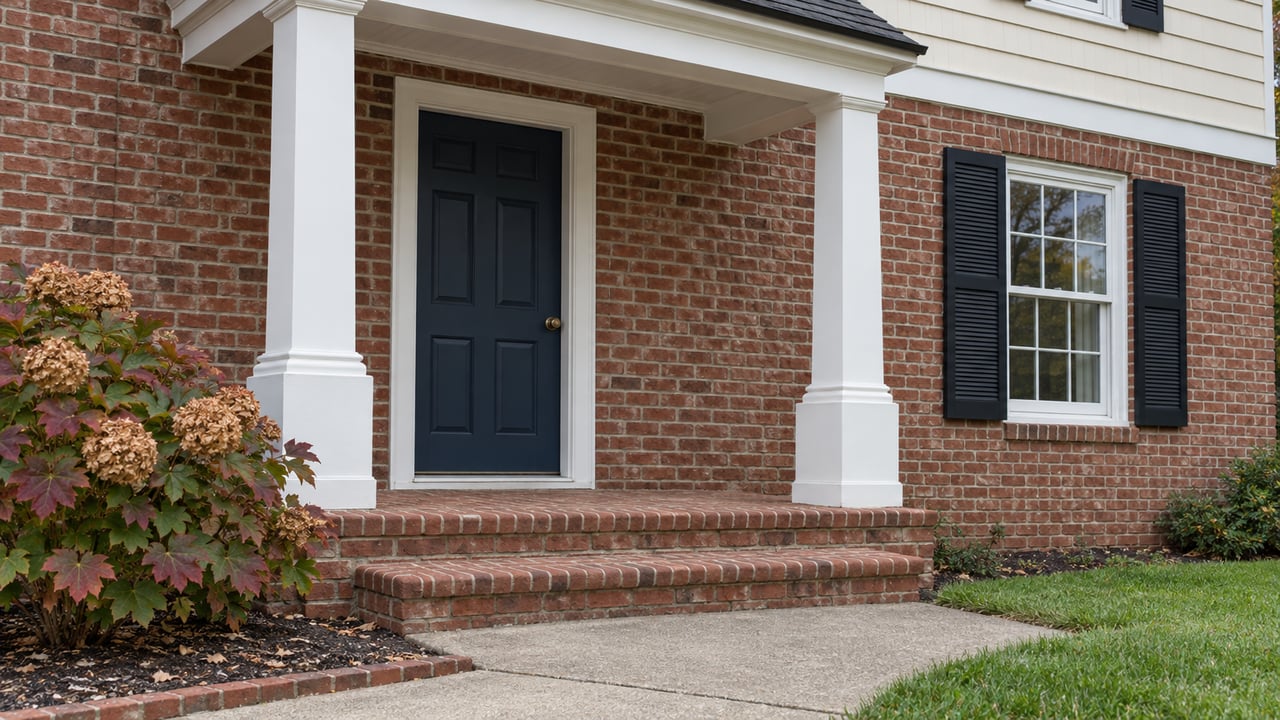
Housing in Chesapeake Beach spans cozy cottages, ranch and split-level homes updated over time, townhome clusters, and a few waterfront communities that advertise private beaches, docks, or community slips. Waterfront parcels are limited and usually command a premium. Homes within town but off the immediate shoreline tend to be more affordable.
Recent market snapshots place typical values in the mid-400s. For example, Zillow reported a typical home value of about 453,156 dollars as of December 31, 2025. Other late-2025 snapshots showed median sale or list prices in the low-to-mid 400s. Your budget and lifestyle fit will come down to proximity to the water, lot size, updates, and any HOA amenities.
The rental and short-term market exists but is relatively small for a beach town. If you are buying a second home or an investment property, confirm town and county rules on short-term rentals and any required permits. Policies can change, and they are actively managed.
Property taxes are straightforward to estimate at the county level. Calvert County’s real property tax rate (county portion) was published at 0.967 dollars per 100 dollars of assessed value. Incorporated towns like Chesapeake Beach may also have a municipal rate. For current figures, check the Calvert County tax information page before running your net-cost calculations.
Commute to DC and Annapolis
Chesapeake Beach is roughly 30 to 35 miles from central Washington, DC by road and about 27 to 30 miles from Annapolis. Drive times vary a lot based on departure time, routing, and corridor congestion along MD-4 and MD-2.
Driving times at a glance
- To Washington, DC (central): About 45 to 60 minutes in non-peak conditions; 60 to 90 plus minutes during peak hours depending on bottlenecks and destination. See representative ranges on Travelmath’s DC to Chesapeake Beach drive-time page.
- To Annapolis: Commonly 30 to 50 minutes in non-peak conditions with some variability based on exact routing. Check the representative Chesapeake Beach to Annapolis distance and time.
These are workable for hybrid schedules or flexible hours. Daily, fixed-hour commutes into downtown DC can feel long, so it pays to test your exact route at your usual start and end times.
Bus and park-and-ride options
Calvert County participates in Maryland Transit Administration commuter bus service with park-and-ride stops that connect to DC and Metrorail transfer points. Routes and timetables change, so confirm current options on the Calvert County MTA Commuter Service page. Typical DC-bound runs are around 1 to 1.25 hours depending on stop patterns and traffic.
Local connectivity also improved recently. The county launched a real-time bus-tracking app and moved to fare-free local bus operation in 2024 to help riders reach park-and-rides and jobs more easily. Read about those updates in The BayNet’s coverage of Calvert’s bus-tracking app and fare-free service.
Commute fit examples
- Hybrid worker: Two days a week in DC. You can time your drives to non-peak windows most of the time and use commuter buses as a backup. The tradeoff can make sense if waterfront access matters to you.
- Daily commuter with fixed hours: Expect longer weeks and plan for buses or early departures. The value proposition often hinges on lifestyle priorities and your tolerance for peak traffic.
Year-round living and seasons
Chesapeake Beach is a year-round town with full-time residents, local schools, and services. Summer brings visitors and a lively boardwalk-and-marina scene. Winter is quieter, and some waterfront businesses reduce hours, but essential services stay open.
Families have historically enjoyed the local water park as a seasonal highlight. The park has been closed for renovations with a multi-year rebuild timeline. It is wise to check current town updates as you plan your summer routines.
Environmental factors to weigh
Living near the Bay means understanding flood, storm, and erosion risks. Parts of Chesapeake Beach include parcels in FEMA Special Flood Hazard Areas, especially along low-lying waterfront and creekside streets. Always check the property’s FEMA Flood Insurance Rate Map panel and confirm the structure’s elevation data. Start with the FEMA Flood Map Service Center and consult the county floodplain administrator for specifics.
To visualize sea-level and high-tide scenarios, use NOAA’s Sea Level Rise Viewer. It is a helpful planning tool for understanding nuisance flooding, storm surge pathways, and neighborhood-level exposure.
Shoreline conditions vary. The southern shoreline includes areas with active cliff and shoreline erosion. If you are considering cliff-top or immediate waterfront property, obtain professional geotechnical advice, confirm setbacks, and review local maintenance responsibilities.
Is Chesapeake Beach a fit for you?
Choose Chesapeake Beach if you want a small-town, walkable waterfront setting where you can be on the boardwalk or at a marina in minutes. Weekday commutes take tradeoffs, but many residents find a rhythm that supports hybrid work or flexible hours. Housing choices range from cottages to townhomes to limited waterfront communities, with pricing often friendlier than core Beltway suburbs.
If your short list includes a slip, a waterfront view, or easy Bay access, this town deserves a close look. Just be sure to plan for peak-season crowds and do your diligence on flood, elevation, and shoreline conditions.
Buyer checklist
Use this quick list to organize due diligence before you tour and again before you write an offer:
- Commute test: Run live map checks for your exact office address at your real start and end times on a weekday. Compare drive and bus options.
- Flood status: Pull the FEMA panel, check the property’s elevation certificate, and price flood insurance (NFIP and private) for the specific address. Start at the FEMA map portal.
- Sea-level and nuisance flooding: Review scenarios on NOAA’s Sea Level Rise Viewer and ask about any past flood claims or mitigation.
- Marina access: If a slip matters, verify availability, depth at mean low water, bridge clearance, winter storage, and HOA rules. Ask about waitlists.
- Zoning and Critical Area: Confirm local Critical Area requirements, permit rules, and any draft updates that could affect repairs or rebuilds.
- Schools: Beach Elementary, Windy Hill Middle, and Northern High serve large portions of the town. Confirm assignments and boundaries with the district.
- Taxes and utilities: Use the county tax rate as a baseline and confirm any municipal rate. See the Calvert County taxes page for current numbers.
Next steps
If you want straightforward guidance on neighborhoods, commute tradeoffs, flood due diligence, and slip availability, reach out. Whether you are buying, selling, or exploring a rental or VA-financed move, you will get disciplined, local support from start to finish. Connect with James Dick for a clear plan and a smooth transaction.
FAQs
Is Chesapeake Beach livable year-round or mainly a summer town?
- It is a year-round community with full-time residents, schools, and services, though summer brings more visitors and a livelier waterfront scene.
What are realistic commute times from Chesapeake Beach to DC?
- Plan for about 45 to 60 minutes off-peak and 60 to 90 plus minutes at rush hour, with route and destination affecting the range; test your exact route live.
How long is the drive from Chesapeake Beach to Annapolis?
- Typical non-peak drive times often fall between 30 and 50 minutes, with exact timing varying by route and conditions.
Can I keep and regularly use a boat in Chesapeake Beach?
- Yes, many residents do, but Fishing Creek’s shallow channel and bridge clearance favor smaller boats; confirm slip depth, services, and any waitlists.
What should I know about flood insurance in Chesapeake Beach?
- Some properties sit in FEMA Special Flood Hazard Areas; check the FEMA map, review elevation data, and get property-specific flood insurance quotes.
What are typical home prices in Chesapeake Beach?
- Recent snapshots place typical values in the mid-400s, with a late-2025 estimate around 453,156 dollars; waterfront locations generally command premiums.