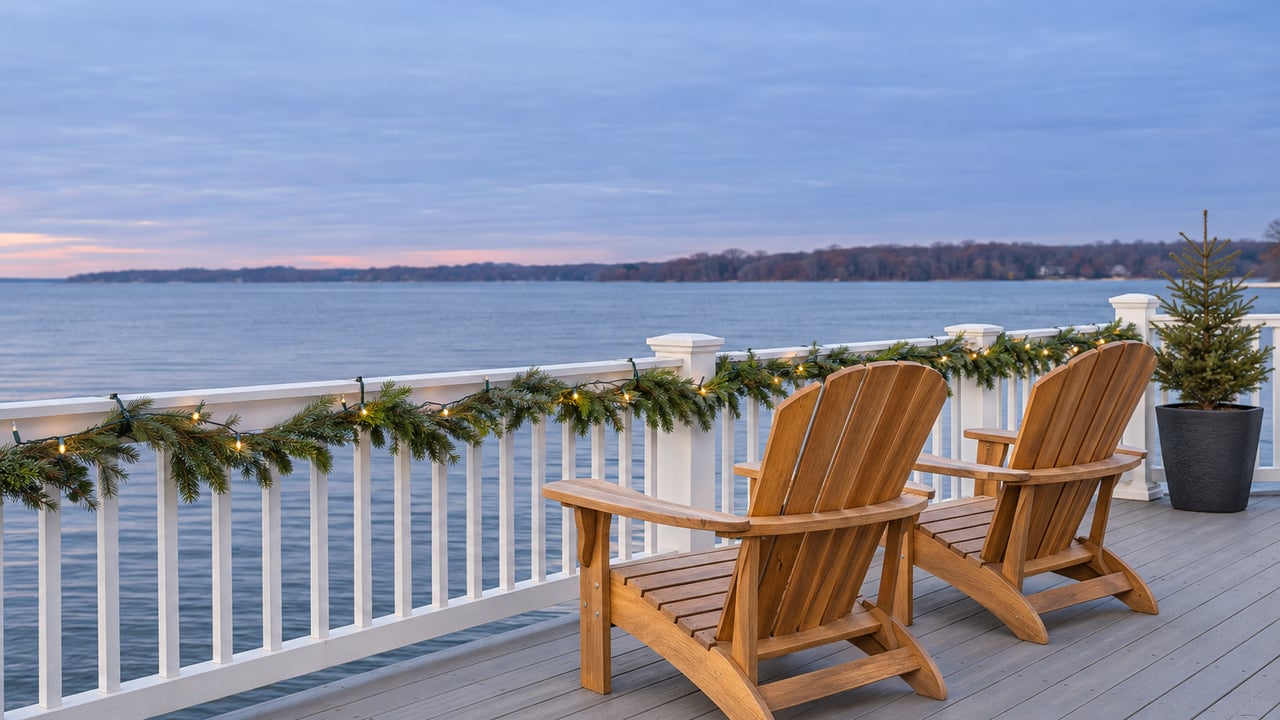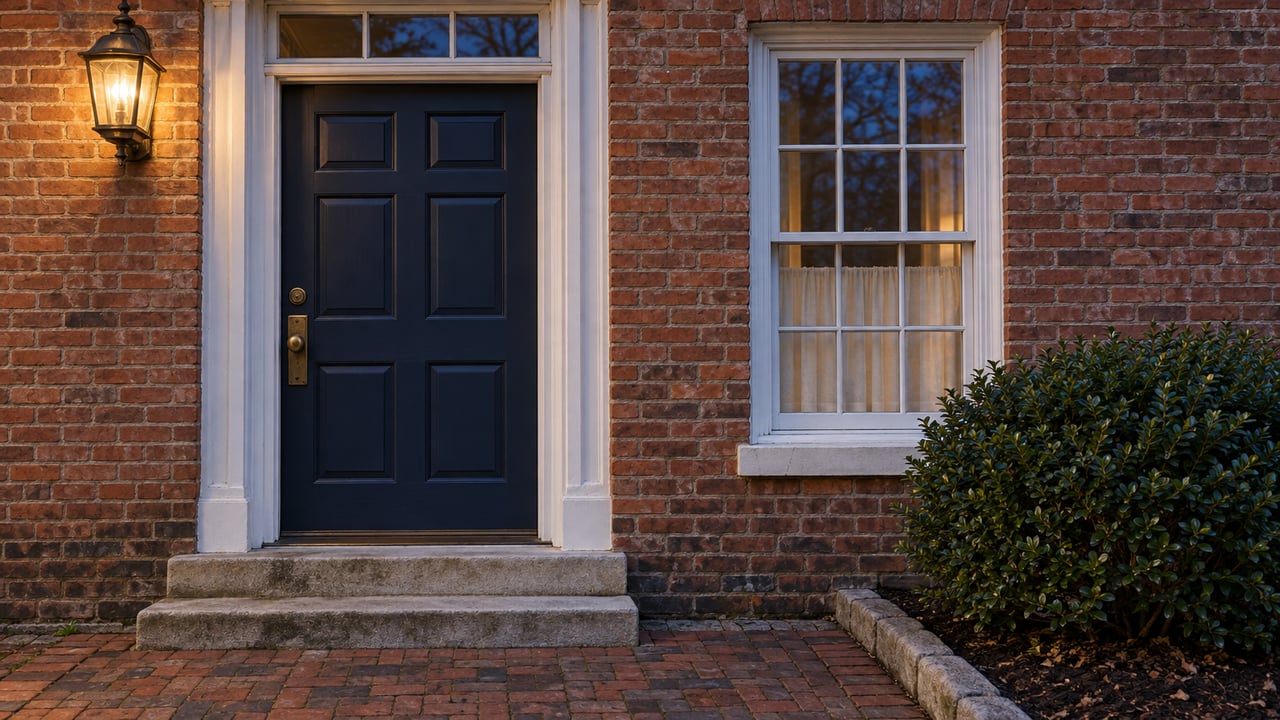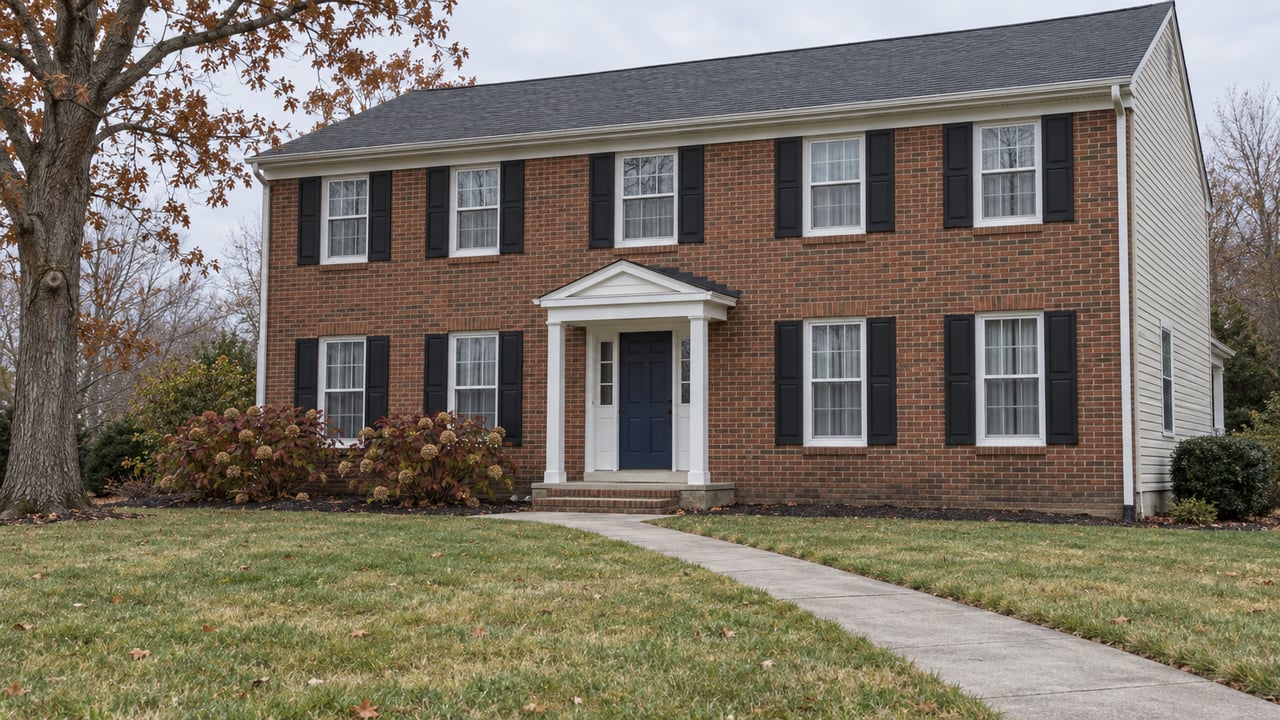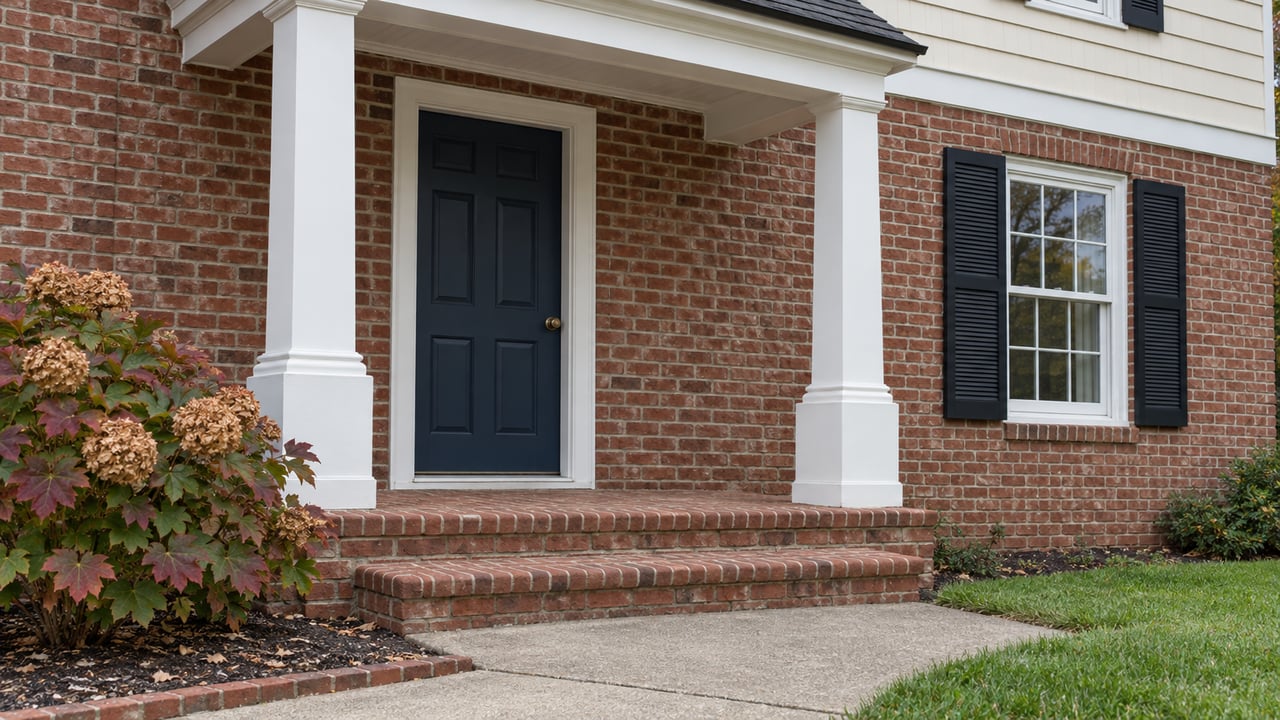
Dreaming about life by the water, but not sure whether Chesapeake Beach should be your weekend escape or your everyday home? That is a common question, especially if you want Bay access, a smaller-town setting, and a location that still keeps Washington within reach. The right choice comes down to how you plan to use the property, how you want to finance it, and what kind of lifestyle you want year-round. Let’s dive in.
Chesapeake Beach at a glance
Chesapeake Beach is a small incorporated waterfront town in Calvert County with about 6,000 residents. The town offers public boat ramps, waterfront access, parks, and a municipal beach, and it notes that it is within a short drive of Washington, D.C.
That mix gives you an important starting point. Chesapeake Beach is not just a summer stop, and it is not just a commuter town either. It can work well as either a second home or a full-time residence, but the details matter.
What the local market looks like
Current pricing sources place Chesapeake Beach in a fairly consistent range, even though each platform uses its own method. Recent market trackers broadly put the town in the mid-$400,000s to low-$500,000s.
As of March 2026, Redfin reports a median sale price of $500,500, 42 median days on market, and a 99.1% sale-to-list ratio. Realtor.com shows 72 homes for sale with a median listing price of $450,000 and 17 median days on market, while Zillow reports a typical home value of $462,696. The cleanest way to read that data is as a current price band, not one exact number.
Why your intended use matters
The biggest difference between a second home and a full-time residence is not just lifestyle. It also affects financing, taxes, and what you can realistically do with the property.
If you plan to live in the home most of the year, your path may be more flexible. If you plan to use it only part time, lenders and local rules typically become stricter.
Choosing a full-time residence
For many buyers, Chesapeake Beach makes a strong case as a primary home. You get year-round municipal services, a waterfront setting, and practical access to everyday needs within Calvert County.
The town lists water usage and billing, water and sewer support, trash and recycling coordination, roads, sidewalks, drainage, street lighting, and public facilities among its services. That matters if you want a home that functions well in every season, not just during the warmer months.
Full-time living may fit you if
- You plan to live in the property at least six months of the year
- You want a principal residence rather than a seasonal getaway
- You want to explore Maryland Homestead Property Tax Credit eligibility
- You value year-round town services and local daily-life infrastructure
- You want a home that supports a steady routine rather than occasional use
Taxes can favor a primary residence
Maryland’s Homestead Property Tax Credit applies only to a principal residence. To qualify, you must live in the home at least six months of the year, including July 1, and you can claim the credit on only one property.
For 2025-26, Chesapeake Beach has a 10% local homestead cap. Maryland’s listed tax components are 0.2977 municipal, 0.6310 county, and 0.1120 state per $100 of assessed value, for a combined rate of 1.0407. On a $453,500 assessed value, that works out to roughly $4,720 per year before any homestead-related cap or assessment changes.
VA buyers should pay close attention
If you plan to use a VA-backed purchase loan, occupancy is a core requirement. VA guidance is clear that the home must be one you will live in, not simply hold as a vacation property.
That means Chesapeake Beach can be a solid option for VA buyers if it will be your principal residence. If you are looking for a pure second home, VA financing is generally not the right fit.
Choosing a second home
Chesapeake Beach can also work as a second home if your goal is personal use for part of the year. The waterfront feel, public access points, and seasonal lifestyle appeal are real draws.
That said, a second-home purchase usually comes with tighter financing standards. You should go into the process with a clear plan and realistic expectations.
Second-home financing is more restrictive
Fannie Mae says a second home must be a one-unit dwelling that you occupy for some portion of the year, that is suitable for year-round occupancy, under your exclusive control, and not a rental property or timeshare. Rental income may exist in some cases, but it generally cannot be used to help you qualify.
Freddie Mac caps second-home purchase financing at 90% loan-to-value. By comparison, standard conforming owner-occupied financing can go higher, with some programs allowing as little as 3% down for eligible buyers. Second-home loans also carry additional pricing adjustments, which can affect your rate and overall cost.
A second home may fit you if
- You want periodic personal use during the year
- You can qualify without relying on rental income
- You understand that financing terms may be less favorable than a primary home
- You want waterfront-town access without moving full time
- You are buying mainly for lifestyle, not short-term rental income
Rental income is not a simple backup plan
Many buyers look at a second home and think, “I can always rent it out when I am not there.” In Chesapeake Beach, that idea needs a closer review.
The town’s rental code says all rental properties must be inspected and licensed. The town also states that short-term rentals under 30 days are prohibited in residential zoning districts, though they may be allowed in maritime or commercial districts with an approved zoning permit.
What that means in practice
If you are buying a house in a typical residential neighborhood, an Airbnb-style plan is not the simple default. You need to understand zoning and licensing before you assume short-term rental income is part of the picture.
There does appear to be some long-term rental demand. Realtor.com’s March 2026 local market page shows about 9 rentals with median rent around $2,272, and an earlier snapshot showed median rent around $2,675. That points to a longer-term lease market, but it is very different from a vacation-rental strategy.
When to think like an investor
If rental income is necessary for the purchase to make sense, you may be looking at the property more as an investment than a second home. That distinction matters because Fannie Mae says rental income from a second home generally cannot be used to qualify the borrower.
In other words, if the numbers only work because you expect regular rent, you should analyze the property with that lens from the start. That can help you avoid financing surprises later in the process.
Lifestyle differences by season
Chesapeake Beach has a real waterfront lifestyle, but it is important to think past summer photos. The town offers year-round services, yet some amenities are seasonal or limited in scope.
Bayfront Park requires resident verification for beach access. The town describes the beach as less than half an acre and notes cliff hazards, and Calvert County’s official bathing-beach season runs from Memorial Day through Labor Day.
For second-home buyers
If you are buying for warm-weather enjoyment, that can still be a great fit. You just want to make sure your expectations match how the town’s amenities actually function.
This is better viewed as a real community with waterfront features, not a resort setup. That distinction often helps buyers make a smarter decision.
For full-time buyers
If you plan to live here year-round, daily-life basics matter just as much as the water. Beach Elementary serves Chesapeake Beach within the town’s corporate limits, and healthcare access includes CalvertHealth Medical Center in Prince Frederick and the Twin Beaches Community Health Center in North Beach.
Those details can be especially important if you are weighing Chesapeake Beach against other parts of Calvert County. They help frame what daily living may look like beyond the summer season.
Flood risk should be part of your plan
In a waterfront town, resiliency is part of ownership. Chesapeake Beach’s Coastal Resiliency information says the town is adapting to sea-level rise and an increased incidence and severity of flooding, and flood mapping is available for residents.
FEMA states that standard homeowners insurance typically does not cover flood damage and that flood insurance is a separate policy. If a home is in a high-risk flood area and has a mortgage from a government-backed lender, flood insurance is required.
Questions to ask before you buy
- Is the property in a mapped flood-risk area?
- Will flood insurance be required by your lender?
- How does that cost affect your monthly budget?
- What does year-round access and drainage look like on or near the property?
These are not reasons to avoid Chesapeake Beach. They are reasons to evaluate a property carefully and make a fully informed decision.
So which option makes more sense?
A full-time residence often makes more sense if you plan to occupy the home as your principal residence for at least six months a year, want possible Homestead credit benefits, and value year-round services and everyday convenience. It can also be the clearer route if you are using VA financing.
A second home often makes more sense if you want personal-use flexibility, can meet stricter conventional occupancy rules, and do not need short-term rental income to justify the purchase. In Chesapeake Beach, that last point is especially important because short-term rentals in residential districts are not the easy default many buyers expect.
The best move is to start with your true use case, not just the property itself. Once you know whether this is your primary home, your getaway, or an investment-minded purchase, the next steps become much clearer.
If you are weighing Chesapeake Beach against other waterfront or commuter-friendly areas in Calvert County, working with someone who understands local rules, financing differences, and the on-the-ground market can save you time and help you avoid costly assumptions. If you want practical guidance tailored to your goals, connect with James Dick.
FAQs
Is Chesapeake Beach better as a second home or a full-time residence?
- It depends on how you plan to use the property. Full-time living may offer more financing and tax advantages, while a second home can work well if you want personal use and do not need rental income to qualify.
Can you use a VA loan for a second home in Chesapeake Beach?
- No, not if the property is only a vacation home. VA-backed purchase loans require that you live in the home as your principal residence.
Are short-term rentals allowed in Chesapeake Beach residential neighborhoods?
- The town says short-term rentals under 30 days are prohibited in residential zoning districts. They may be allowed in maritime or commercial districts with an approved zoning permit.
Can rental income help you qualify for a Chesapeake Beach second home?
- Generally, no. Fannie Mae says rental income from a second home generally cannot be used to qualify the borrower.
Does Chesapeake Beach offer year-round services for full-time residents?
- Yes. The town lists services including water and sewer support, trash and recycling coordination, roads, sidewalks, drainage, street lighting, and public facilities.
Does flood risk matter when buying in Chesapeake Beach?
- Yes. The town highlights coastal resiliency and flooding concerns, and flood insurance may be required for homes in high-risk flood areas with certain mortgages.