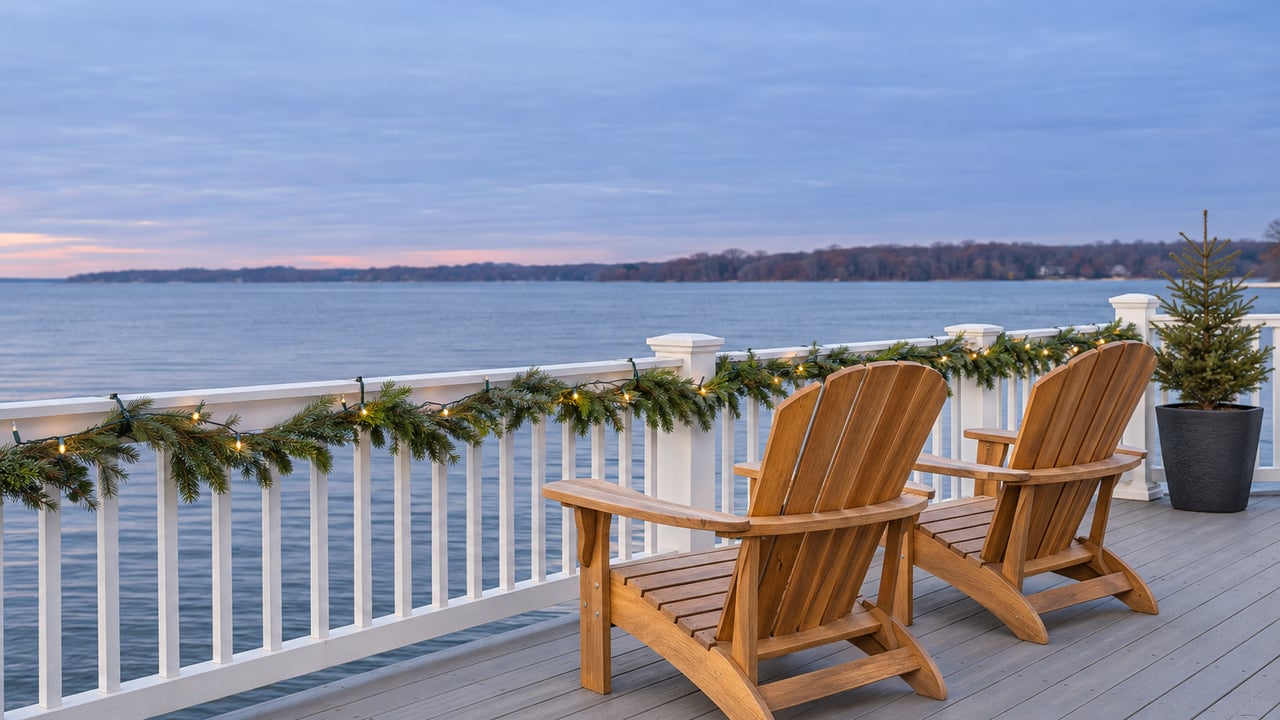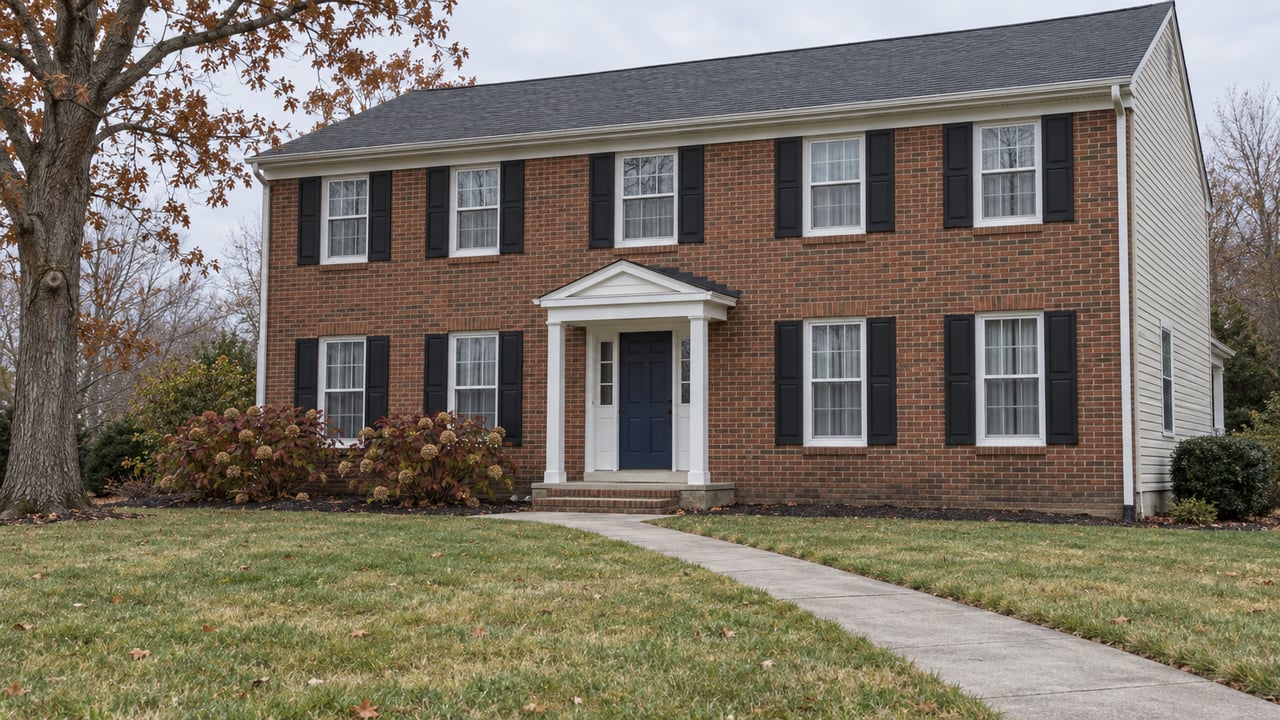
If you picture Annapolis waterfront living as nothing but sailboat views and sunset dinners, you are only seeing part of the story. Life near the harbor can be exciting, beautiful, and deeply connected to the water, but it also comes with practical details that matter when you buy. If you are thinking about a waterfront home in Annapolis, this guide will help you understand what daily life really looks like, what kinds of properties you may find, and what questions to ask before you make a move. Let’s dive in.
What Waterfront Living Feels Like
Annapolis waterfront life centers on a compact historic area that includes Main Street, City Dock, the harbor, and nearby Eastport. In this part of the city, you are close to restaurants, boutiques, galleries, and harbor activity within a highly walkable setting. That makes day-to-day life feel more connected to the city than buyers sometimes expect.
Eastport adds another layer to the waterfront experience. It sits just across Spa Creek and is accessible by bridge or seasonal water taxi, with its own maritime feel and water views. If you want waterfront living with strong boating character, Eastport is often part of the conversation.
One important thing to know is that Annapolis treats boating as part of daily infrastructure, not just recreation. The city manages moorings, slips, bulkhead, park docks, and street-end landings through the Harbormaster. That means harbor operations can shape your routine just as much as your view does.
What Homes Buyers Should Expect
Waterfront housing in Annapolis is not one uniform product. The city’s planning materials point to a mix of historic homes, narrow lots, attached homes, and mixed-use blocks, especially near downtown and Eastport. You are more likely to see a patchwork of older housing types than a large, newly built waterfront subdivision.
That mix is part of what gives Annapolis its character. Nearly every era of homebuilding is represented, and the historic district includes a blend of residential, mixed-use, and waterfront maritime zoning. In practical terms, that means one block may feel very different from the next.
For you as a buyer, this can be a benefit if you want options. It can also mean you need to look closely at how each property functions, especially when it comes to parking, lot size, access, and nearby maritime activity. Two homes with similar water proximity may offer very different ownership experiences.
Flood Risk Deserves Early Attention
If you are buying near the water in Annapolis, flood risk should be one of your first review items. The city identifies the lowest-lying land around City Dock and parts of Eastport, and FEMA special flood hazard areas exist within Annapolis. This is not a detail to save for later in the transaction.
You will want to confirm whether a property is in a floodplain, ask about elevation, and get insurance estimates early. Areas near City Dock, Spa Creek, Back Creek, and other low-lying waterfront parcels deserve especially careful review. A home’s location on the map can have a direct effect on your ownership costs and long-term plans.
The city also maintains floodplain rules and a nuisance flood plan, which shows that coastal flooding is an ongoing local issue. In other words, this is part of the normal due diligence process for Annapolis waterfront property. A clear review up front can help you avoid surprises later.
Historic District Rules Can Affect Renovations
Many waterfront buyers are drawn to Annapolis because of its historic charm. That charm can come with additional review requirements if the home is in the Annapolis Historic District. The city’s Historic Preservation Division reviews exterior changes, and all exterior projects in the district require a certificate of approval.
This matters if you are thinking about updates after closing. Changes to windows, porches, additions, exterior materials, demolition, and some exterior-facing details may involve more review than a standard permit alone. Even if a project seems simple, the approval path may not be.
That does not mean historic ownership is a problem. It just means you should understand the rules before you buy, especially if you hope to personalize the property soon after move-in. A home’s character and restrictions often go hand in hand in this part of Annapolis.
Parking and Access May Be Different
Downtown waterfront buyers are often surprised by how much parking shapes daily life. The city uses Premium Parking in downtown historic district Zones I and II, while other areas use Annapolis Parking, and some districts offer residential on-street permits. Depending on the property, your parking situation may be very different from what you are used to in a more suburban setting.
This is why access questions matter just as much as square footage. You should ask where you park, whether that parking is private or permit-based, and how guests typically access the property. If the home is in a denser historic area, convenience may look different than it would in a driveway-focused neighborhood.
At the same time, Annapolis offers alternatives that support a less car-dependent lifestyle. The city operates the free Annapolis Current trolley, and seasonal water taxis and dinghy docks provide additional ways to move around the harbor. If you enjoy a walkable, on-the-water routine, those options can add real value.
Dock Access Is Not Always Simple
A waterfront address does not always mean automatic or uninterrupted dock access. In Annapolis, the details matter. You should ask whether the property includes a private slip or mooring, whether access is shared, and what rules apply to use.
This is especially important because harbor operations are active and managed. The city oversees many boating-related access points, and dinghy docks have size and time limits. For buyers who plan to keep a boat nearby, the logistics deserve a close look.
You should also be aware of current harbor changes in the core. As of January 2026, the City Dock resiliency project was underway through early 2028, with some services suspended and many slips closed. If you are buying near the center of town, do not assume current dock access will look the same throughout your first years of ownership.
Seasonal Activity Is Part of the Lifestyle
Annapolis has a strong seasonal rhythm, and waterfront living changes with it. Spring and fall bring major in-water boat shows, and the warmer months include charter sails, public cruises, and steady harbor movement. During these periods, the city can feel especially active.
That energy is part of the appeal for many buyers. You may enjoy the sense of motion, the visibility of boating culture, and the easy access to events on or near the water. For some people, that is exactly what makes Annapolis waterfront living special.
Still, it is smart to think about how seasonal peaks affect daily use. More foot traffic, more visitors, and more activity near City Dock or marina areas can shape parking, noise levels, and overall pace. It is best to match the property not only to your budget, but also to the lifestyle rhythm you want.
Smart Questions to Ask Before You Buy
When you tour waterfront property in Annapolis, practical questions usually matter more than romantic ones. A beautiful view is important, but ownership details will shape your experience every day. Going in with the right checklist can save you time and stress.
Here are some of the most useful questions to ask:
- Does the property include a slip, mooring, or shared water access?
- Is the home inside a floodplain or special flood hazard area?
- What are current flood insurance expectations?
- Is the property in the Annapolis Historic District?
- Will planned exterior work require city review or a certificate of approval?
- Where do you park, and is parking private, metered, or permit-controlled?
- How close is the nearest dependable parking option?
- Will nearby City Dock or marina work affect access or daily use?
- Are there dinghy dock, landing, or boating-use limits that affect the property?
These questions help you move beyond the listing photos and focus on how the home will function for you. In a market like Annapolis, that level of detail is worth it.
Why Local Guidance Matters
Buying waterfront property in Annapolis often involves more moving parts than a typical home search. Floodplain review, parking realities, harbor access, and historic district rules can all affect your decision. The right guidance helps you stay organized and ask the right questions at the right time.
That is especially important if you are relocating from a more suburban part of Southern Maryland or buying from out of the area. A disciplined process helps you compare options clearly and avoid assumptions about access, storage, parking, or renovation plans. Waterfront living can be rewarding, but it works best when you understand the full picture.
If you are considering a waterfront home in Annapolis or want help weighing your options across Anne Arundel and Southern Maryland, James Dick offers practical, detail-focused guidance to help you buy with confidence.
FAQs
What is daily life like near the Annapolis waterfront?
- Daily life near the Annapolis waterfront is centered around a compact, walkable area with restaurants, shops, galleries, harbor activity, and easy access to places like Main Street, City Dock, and Eastport.
What types of waterfront homes can buyers expect in Annapolis?
- Buyers should expect a mix of older housing types, including historic homes, narrow-lot properties, attached homes, rowhouse-style options, and mixed-use blocks rather than large new waterfront subdivisions.
What should buyers know about flood risk for Annapolis waterfront homes?
- Buyers should review floodplain status, elevation details, and insurance costs early, especially for homes near City Dock, Spa Creek, Back Creek, and other low-lying waterfront areas.
How does the Annapolis Historic District affect waterfront homes?
- If a waterfront home is in the historic district, exterior changes typically require city review and a certificate of approval, which can affect renovation timelines and project scope.
What should buyers know about parking near downtown Annapolis waterfront property?
- Parking can be more limited or regulated than expected, so buyers should confirm whether a property has private parking, permit access, or reliance on public parking systems.
Does a waterfront home in Annapolis always include dock access?
- No. Buyers should confirm whether dock access is private, shared, managed separately, or affected by city rules, harbor operations, or ongoing City Dock work.